

WORKSHOPS./
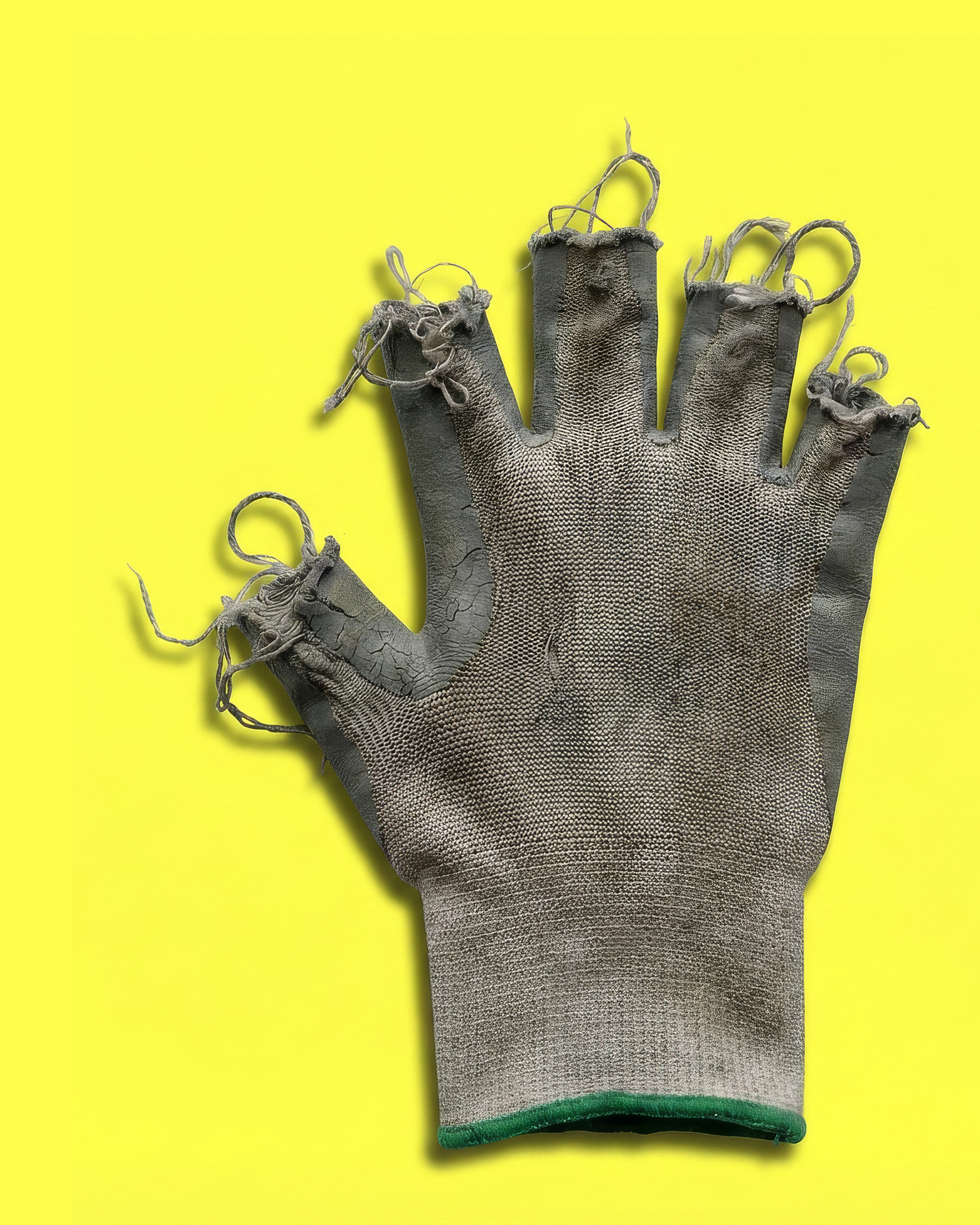
All Gather at the Cabin-
"A ray of sunshine warms my right cheek. I open my eyes and wake up in a lucid dream. It’s cloudy, but the single ray of sunlight streaming in illuminates a small structure. I approach it and strike up a conversation with four homeless people (or so I thought). After a long chat, I realise that where I am is neither a cabin, nor a pavilion, nor a shelter. It is the spitting image of SeanchaÍ."
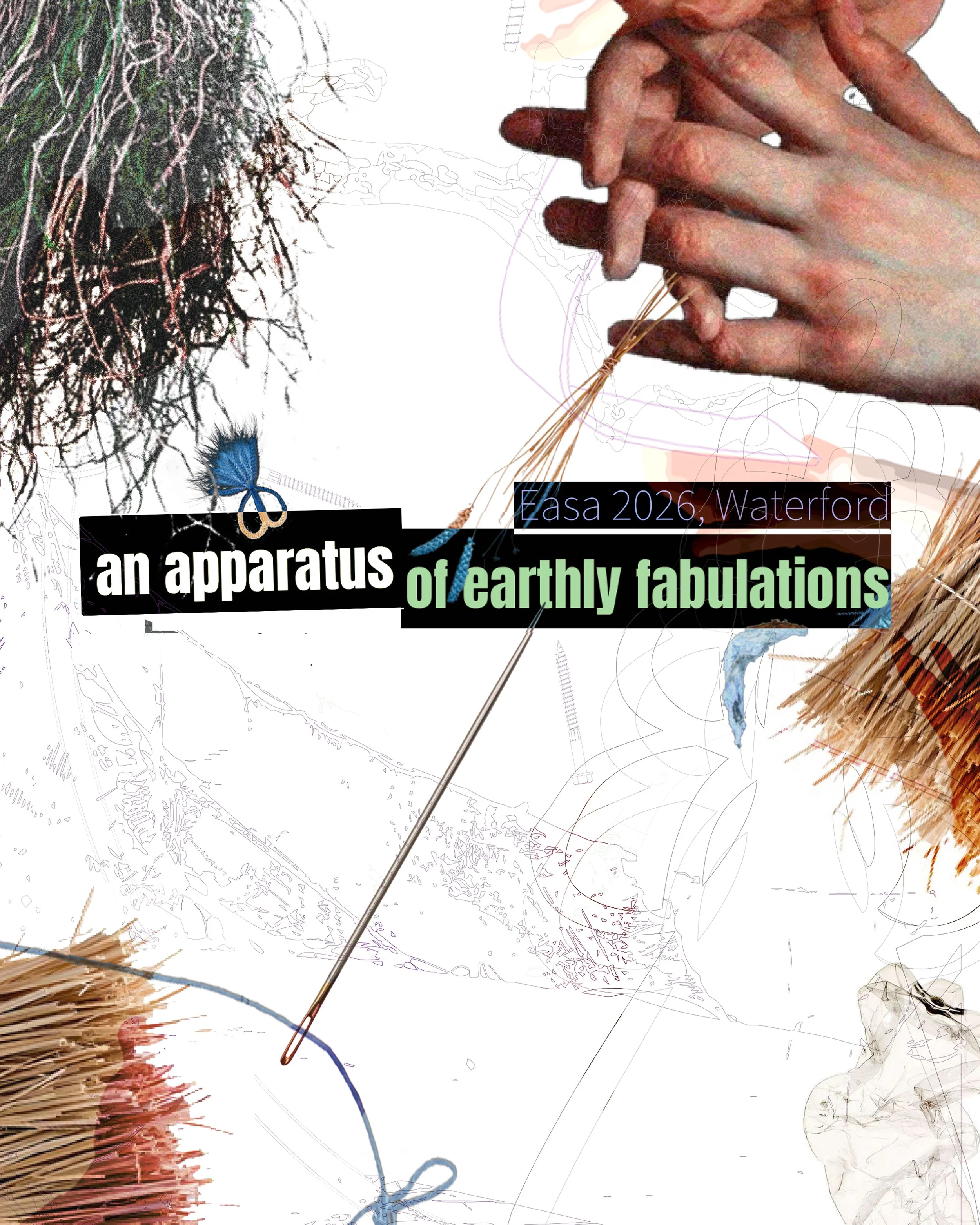
An Apparatus of Earthly Fabulations-
An Apparatus of Earthly Fabulations is a craft-based workshop exploring materials as active carriers of story, memory, and place. Drawing on Irish collective rituals — straw weaving, symbolic motifs, and sacred landscapes — participants become bricoleurs, wandering routes through Waterford to gather plant residues, soil, textiles, and found matter from the route.
Through techniques of straw weaving, steam bending, woodworking, and textile weaving, each participant constructs a personal device — an apparatus that collects and retells both human and non-human narratives. Guided by the rhetorical gestures of the Seanchai, the traditional Irish storyteller, the device is structured through joining, bending, disruption, subtraction, carving, and weaving. The workshop operates at two scales: the individual device and a collective textile map, together forming a spatial and narrative exhibition. The result is not a tool but a companion - a device inseparable from the route, the collective act, and the materials that made it.
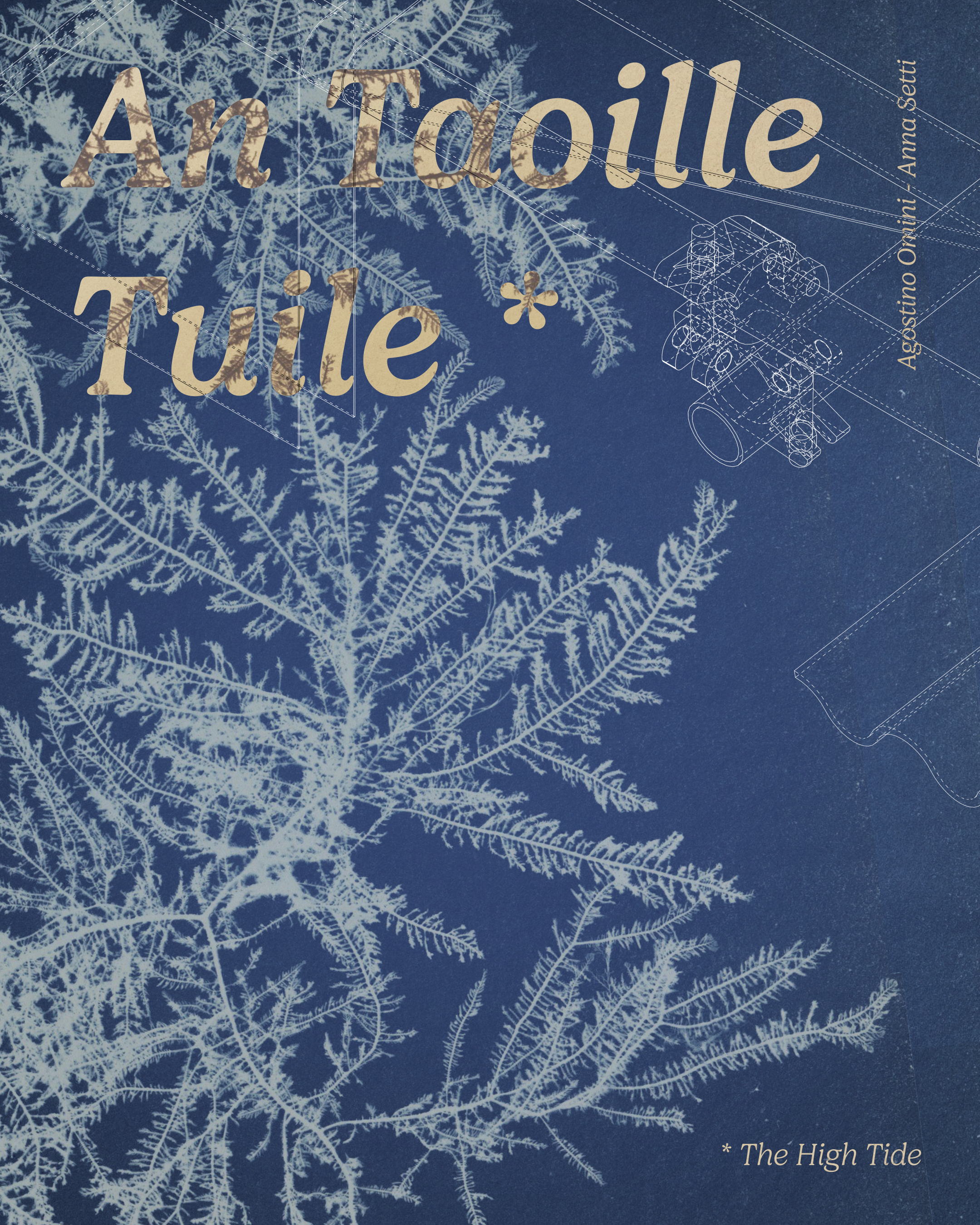
An Taoille Tuile-
Irish culture has its roots in the ever-changing relationship that has always existed between the island’s inhabitants and the water that surrounds it. The movement of the water, through the rhythm of the tides, is made evident by what remains when the water recedes: seaweed.
The aim of the workshop is to rediscover, in a modern context, the historic bond that has always existed between the Irish people and marine vegetation by retracing the footsteps of seaweed gatherers. The construction of a pavilion for drying the seaweed will enable it to be used for countless purposes, including paper production.
This will serve as a framework for the free expression of the city’s inhabitants, creating a panorama composed of pasts and imagined futures through the imprint of their own marks. Seaweed, from a trace of the past to a guide for the future.
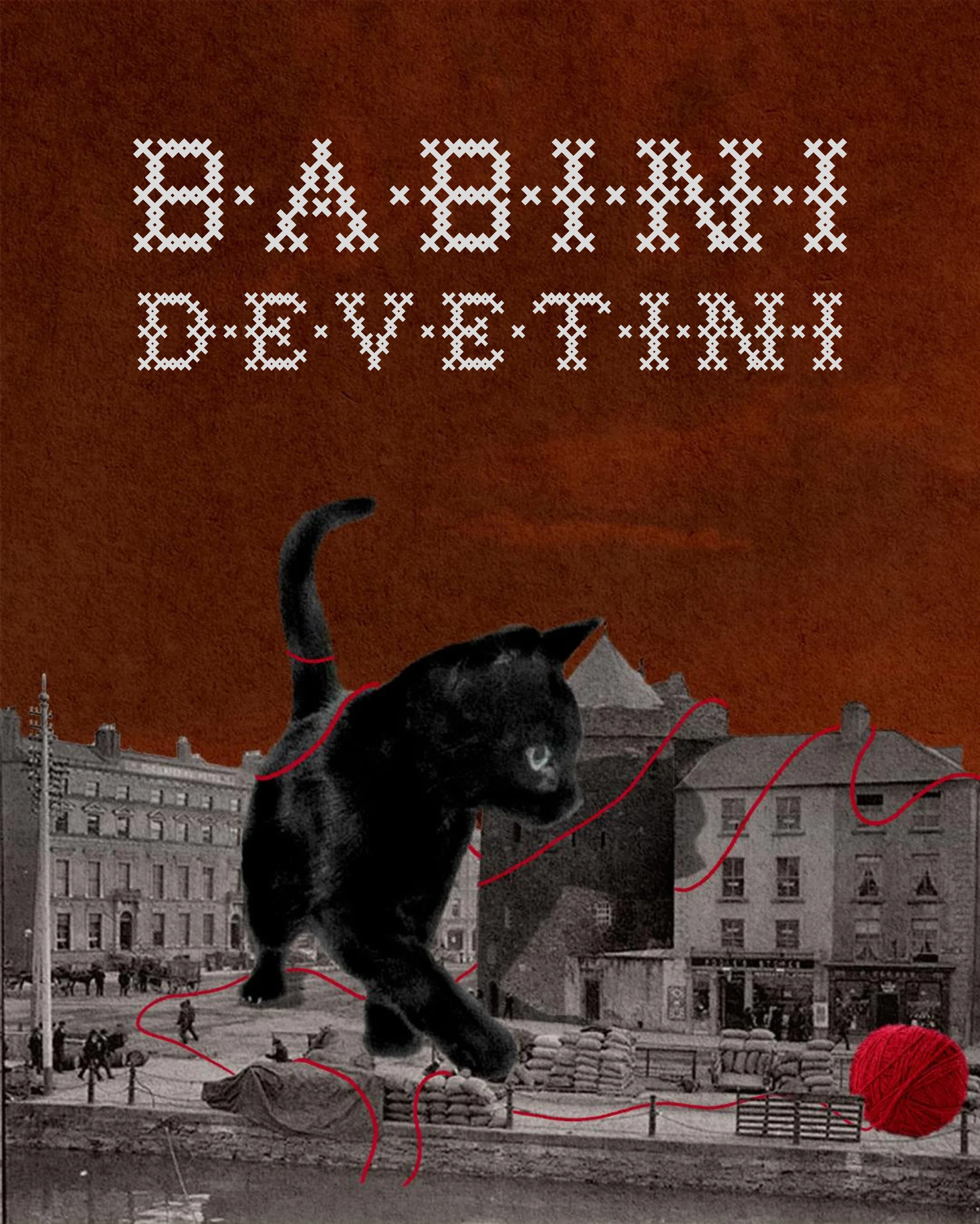
Babini Devitini-
“Babini Devetini” is a workshop that explores folklore superstitions as living cultural knowledge shaping everyday life. Inspired by storytelling traditions like the Irish seanchaí, it focuses on how narratives influence behavior, space, and collective memory. Through fieldwork in Waterford, participants gather local sayings and stories, engaging with the community as keepers of intangible heritage. This material is transformed into visual archives, diagrams, and a conceptual map, leading to a series of temporary scenographic interventions across the city.
The workshop frames storytelling as a form of “invisible architecture,” revealing how stories actively shape social and spatial realities
BA-WAGON-
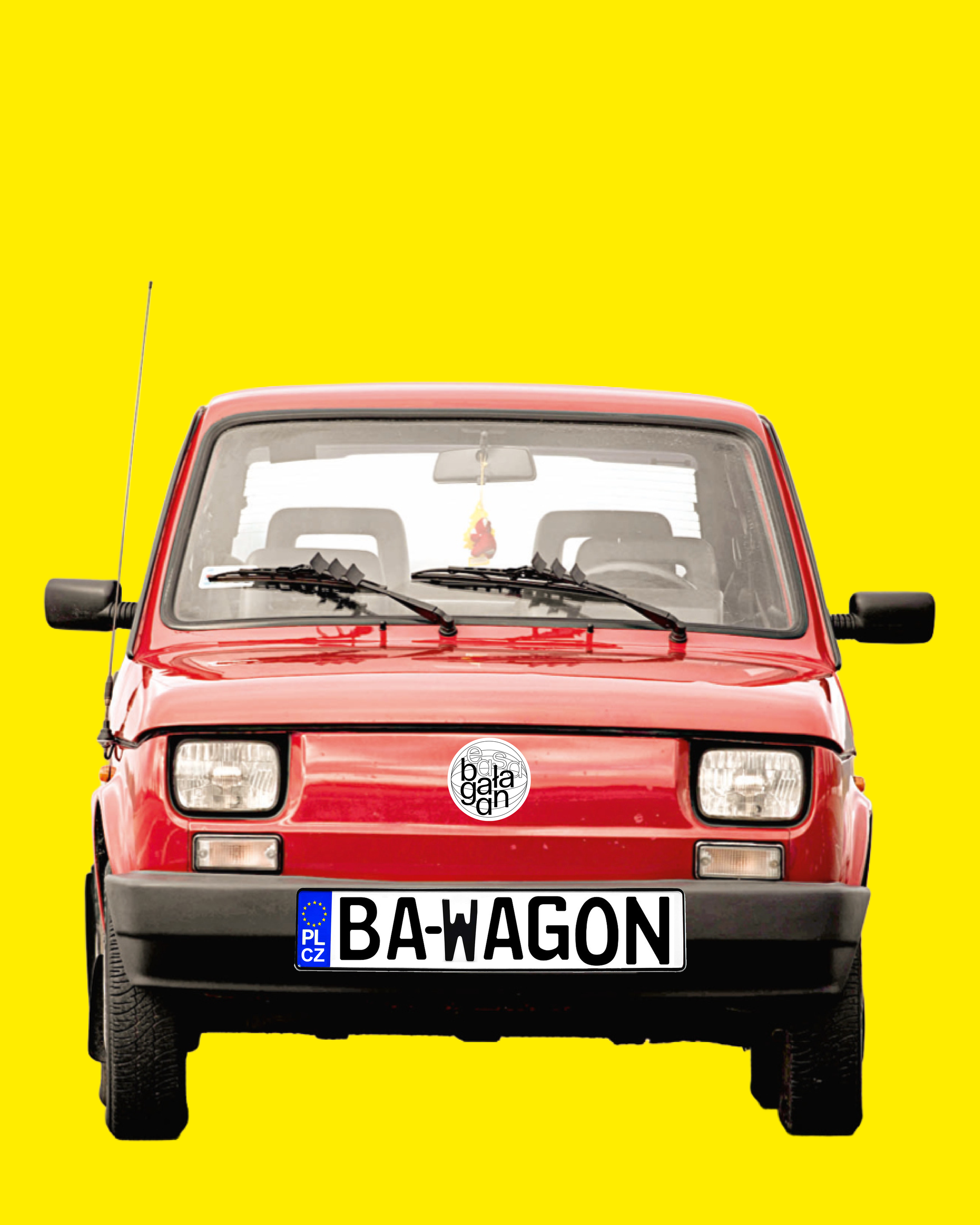
BA-WAGON is a spontaneous vehicle traveling with and within the EASA community, collecting stories and memories (with a slight preference for those messy ones).
BA-WAGON looks at the intimate everyday and finds there what keeps the community alive: mundane tasks, complaints and gossip(?). The structure accesses those stories through borrowing from the tradition of religious confessional architecture and the modern reality show confessional rooms.
BA-WAGON is a nomadic occupation of space for comfort, venting, bragging, gossip and speaking in tongues. We’re here to talk, listen, forward to the community or keep within the walls. The decision is yours but we don’t guarantee the walls to be sturdy enough to keep everything intact. If you don’t want to talk at least we can teach you how to pronounce EASA BAŁAGAN 2027.
BETWEEN THRESHOLDS-
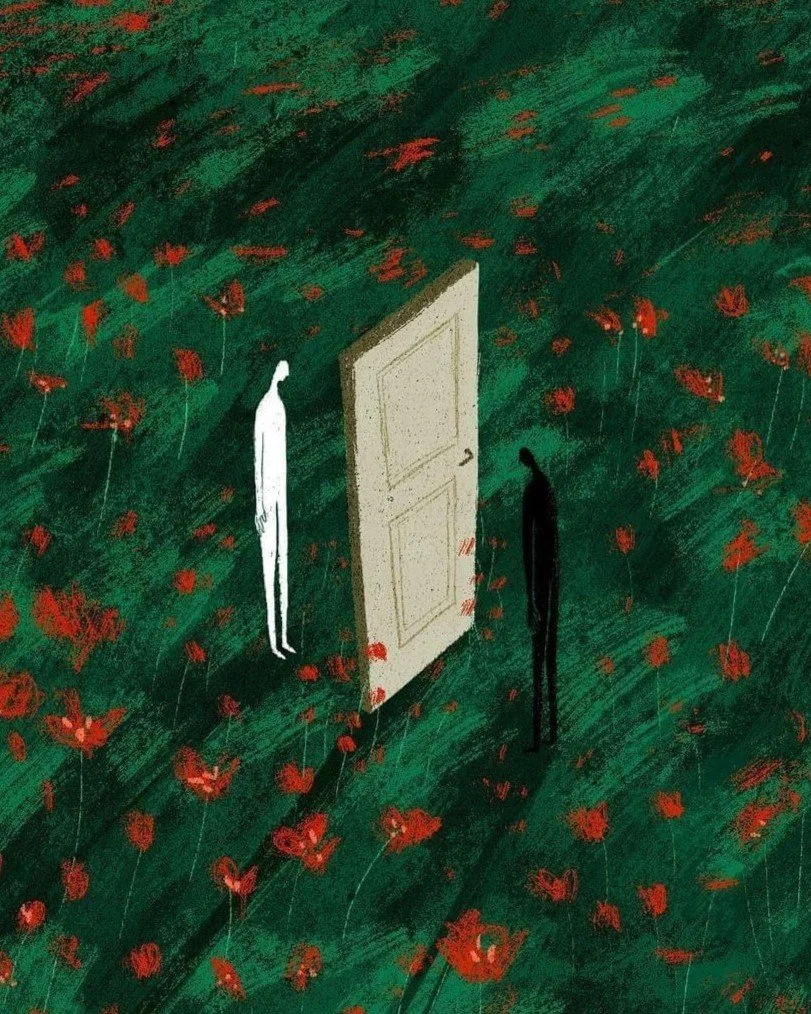
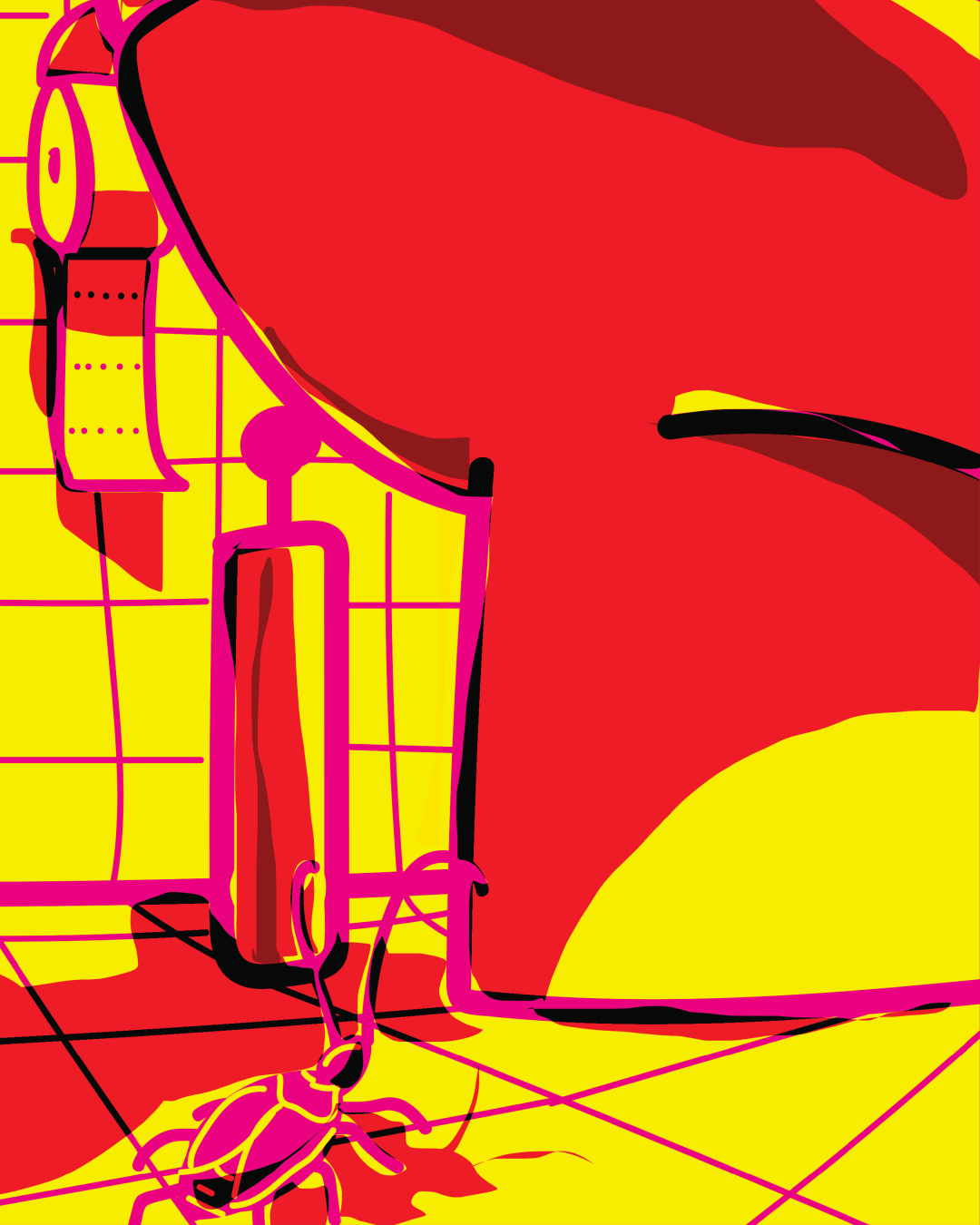
A baby does not know it is about to be born. A birth feels like a death to a baby. We never really know what we are crossing into. What do we leave behind when we are gone? What if death is not the end, but a door left ajar? How does this translate into space?
This workshop wanders through life, from birth to death, and beyond. We will walk, talk, collect stories, and gather objects. We will hold rituals, get our hands dirty, and ask some ancient questions about things that refuse to disappear.
Somewhere along the way, clay sculptures are sculpted. A bier gets built, things get buried, we hold a funeral. A tree gets planted, a portal assembled. We attempt to access different realities. What remains is part installation, part collective memory, part puzzle.
Welcome to the space in-between. Doors are already open, a threshold awaits.
The image we chose to represent the workshop is work of Imaan from @herkeptpromise
BEYOND BELIEF -
REVERSE CHRONOLOGY IS STORYTELLING TOLD BACKWARD: YOU SEE THE END FIRST, THEN DISCOVER HOW IT ALL CAME TOGETHER. WE’RE BRINGING THAT IDEA INTO ARCHITECTURE. INSTEAD OF DESIGNING FROM SCRATCH, WE START WITH BUILDINGS THAT ALREADY EXIST.. COMPLETE, BUILT, STANDING.. AND WORK BACKWARD IN TIME. WHAT’S REALLY HOLDING THEM UP? WHAT MATERIALS, STRUCTURAL CHOICES, AND HIDDEN COMPROMISES ARE BURIED BEHIND THE FINISHED SURFACES? WE WILL REVERSE-ENGINEER THE UNDERLYING LOGIC, DECONSTRUCT EXISTING BUILDINGS AND QUESTION OUR ASSUMPTIONS.
cURRENTLY cONSTRUCTING-
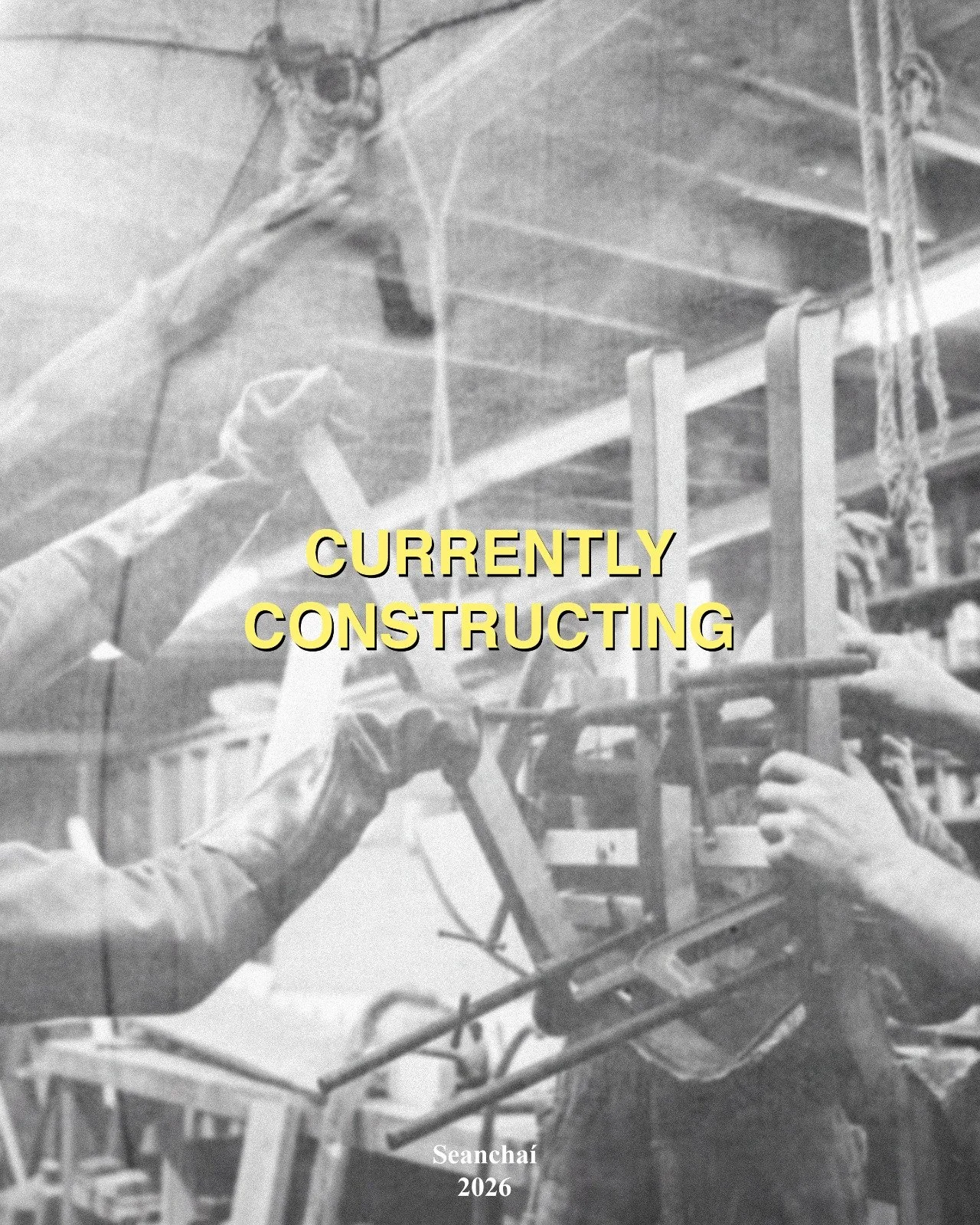
Currently constructing... a workshop at the intersection of craftmanship, storytelling and architecture through maritime knowledge. We gather hands-on experience from the local boatbuilders at the McLoughlin Boat Company in Waterford while exchanging sailor's shanties, nautical lore and other stories related to the water. Learning from shipbuilding and maintenance techniques, participants collectively design and build an architectural structure inspired by the construction of boats. Ready to sail along?
EALTA SCEALTA-
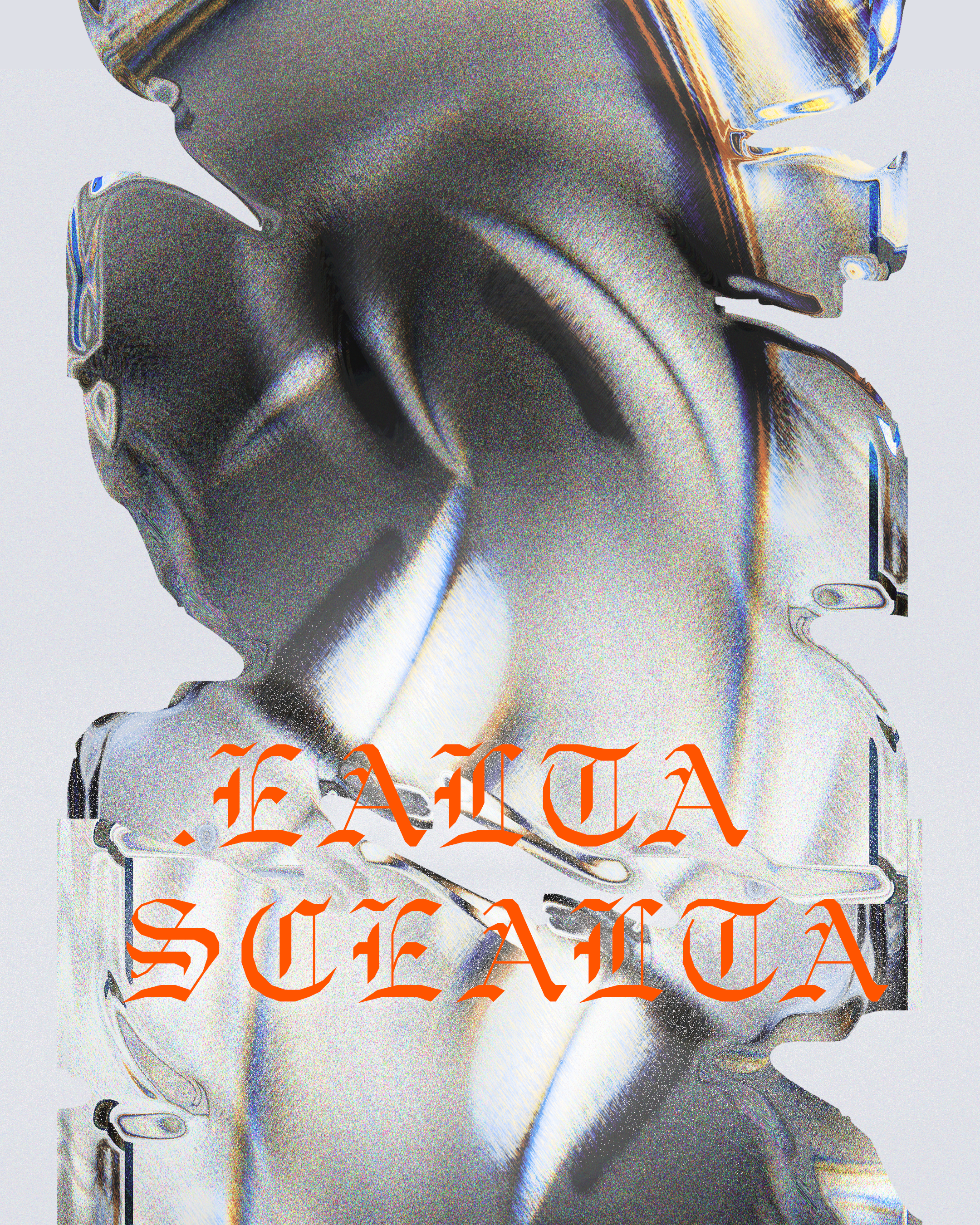
Someone told you something once. You held onto it, passed it on, and somewhere along the way it became a little bit yours.
Every story you love has already changed. Not dramatically - just enough. A detail softened here, a feeling sharpened there, a character who grows more vivid with each telling precisely because they're drifting further from whoever they actually were. Memories get quietly rewritten each time they float to the surface.
The seanchaí kept their community's history alive not by preserving it perfectly, but by keeping it in motion. We are going to follow that course.
easa Archive-
The EASA Archive is the collectively maintained record of every annual assembly since EASA's founding in Liverpool in 1981, sustained by voluntary commitment and continuously reinterpreted through the conditions of each new assembly. At EASA Seanchaí, the archive will be read as a reservoir of silhouettes, gestures, and fragments to be re-cast and re-projected. Translating Waterford's craft traditions into performative exhibition elements, an installation will reposition the archive as an interpretative device for rendering the density of EASA's accumulated histories into a grammar that resonates equally with the city's own mythology. Two distinct forms of continuity enter into dialogue: the long arc of industrial production and its hold on Waterford's identity, and the iterative, voluntary act of purposeful assembly. An experimental film will extend this inquiry, by composing a visual essay on the life of the assembly across time. A podcast series, recorded with EASA Dinos, carries the same impulse, following closely the tradition of preserving living lore.
EASA aRTbOOK-
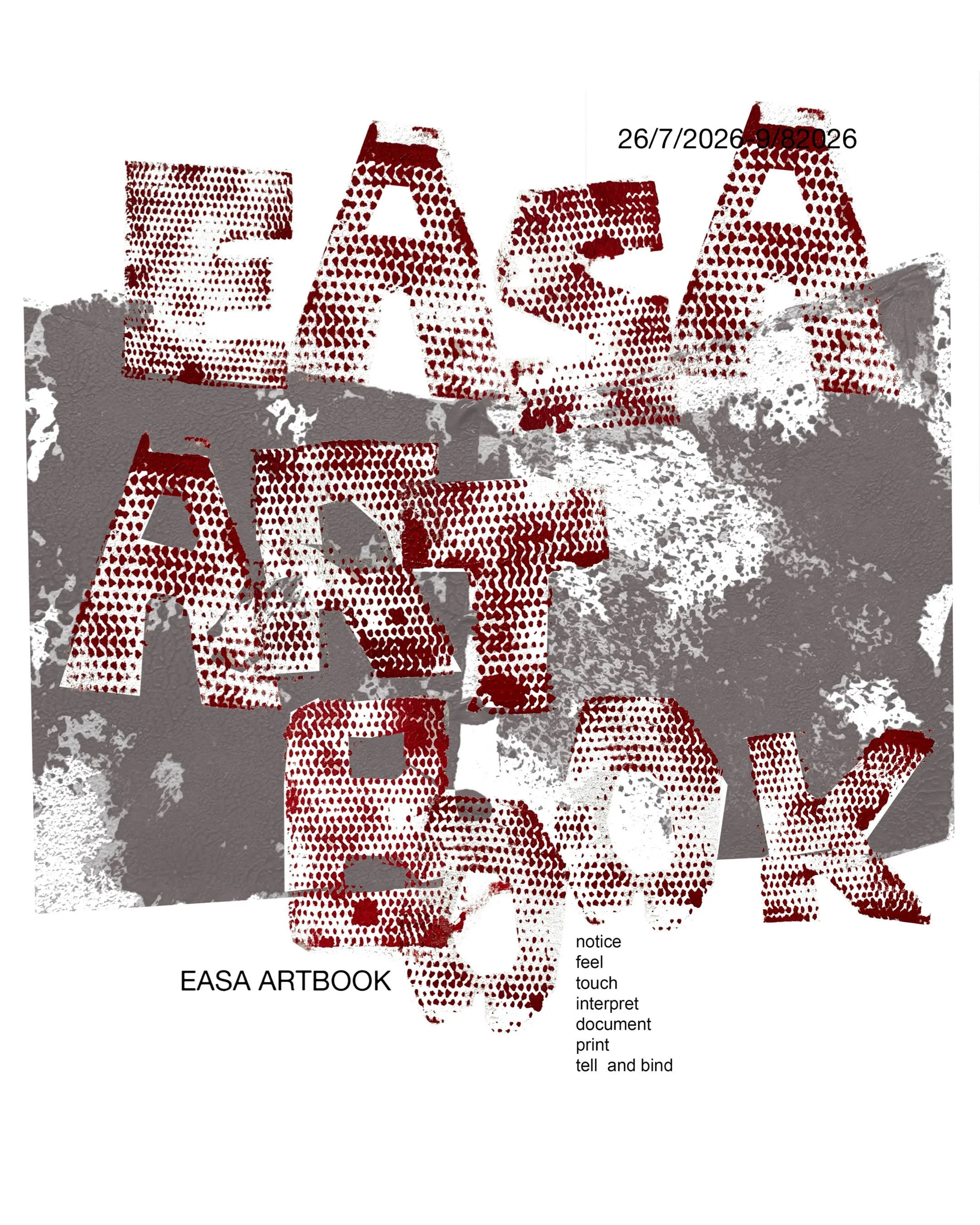
Over the course of the workshop, participants will work with various graphic techniques. The final outcome will be the publication of an art book produced in a limited edition. The slow, meditative act of making linocuts and cyanotypes will unfold alongside personal storytelling shared by the artists [participants] through which the conceptual content of the publication will emerge.
EASA FM-
EASA.FM is an open community platform that brings people together through the medium of sound by providing your ears with sweet tunes, soothing voices, groovy rhythms and experimental jest. We see the radio format as a modern extension of the oral storytelling tradition and invite you to join us around the metaphorical fireplace that is the EASA site, as we channel the spirit of Úaithne to soundtrack your daily workshop activities and shenanigans.
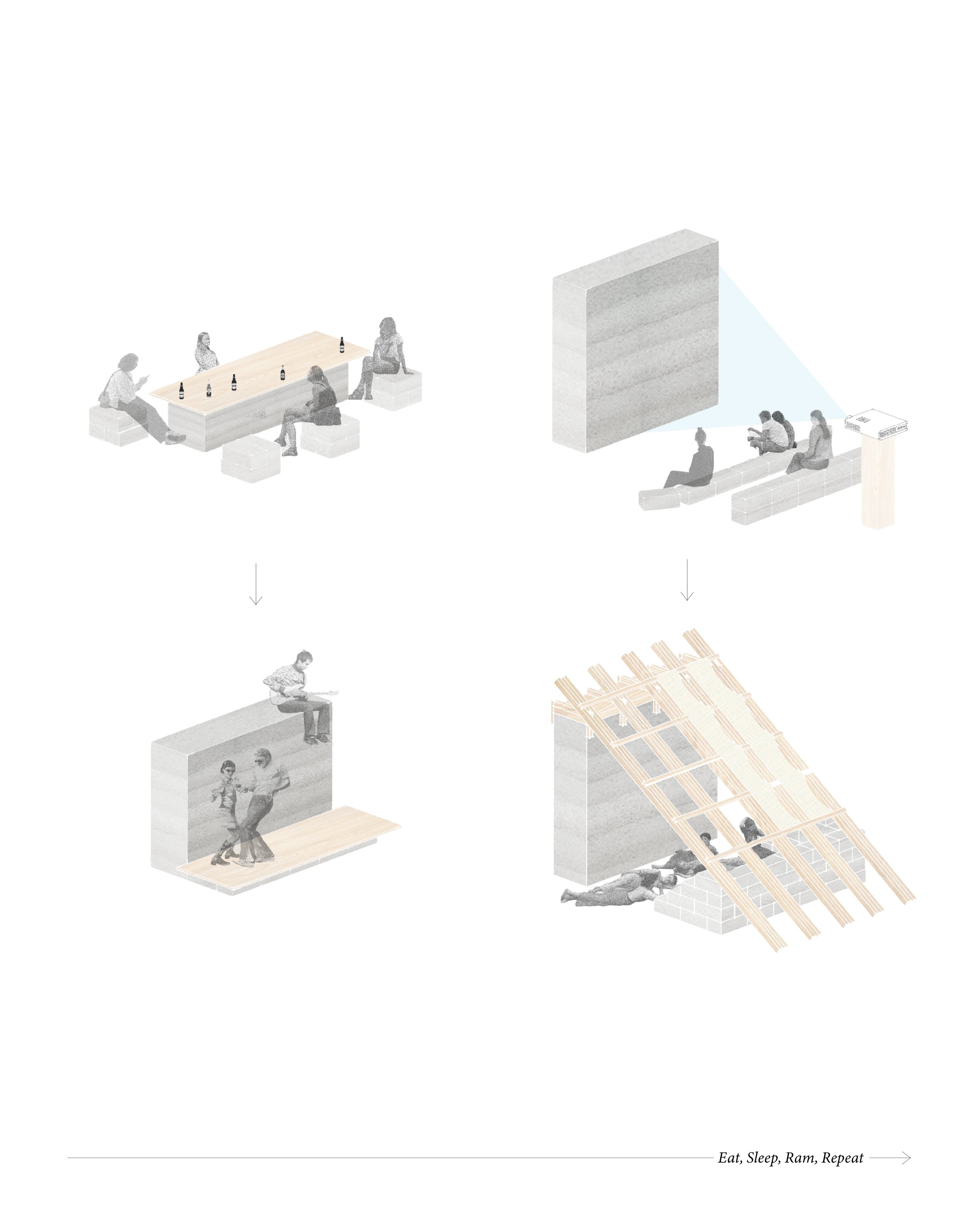
EAT, SLEEP, RAM, REPEAT -
In Ireland, the wall carries a long architectural memory, shaping ritual, settlement and everyday life. They define what is inside and outside, yet they are also places of encounter. Somewhere to lean, sit, cross and repair. The wall is never finished, it is maintained, questioned and rebuilt through collective action.
During ‘eat, sleep, ram, repeat’ we propose building a rammed earth wall: a contemporary iteration of this enduring element in our landscape.
As the wall rises, it will be incrementally activated by participants and the wider Easa Community for communal activities; a meal, a performance, a film, a sleepover. Not as a finished object, but a constantly evolving one.
Rather than simply documenting the workshop, the camera and its players become active participants through the making of a film which is then projected onto the wall.
We will capture the process of the wall’s construction in its crossings, meetings, and mythic scenes. These interactions will form both the social life of the workshop and its cinematic narrative over the course of the two weeks.
This workshop is not driven by a final, finished piece but by duration. The building site becomes the social space and the act of making becomes the event. The wall becomes a shared artefact shaped by many hands and many stories.
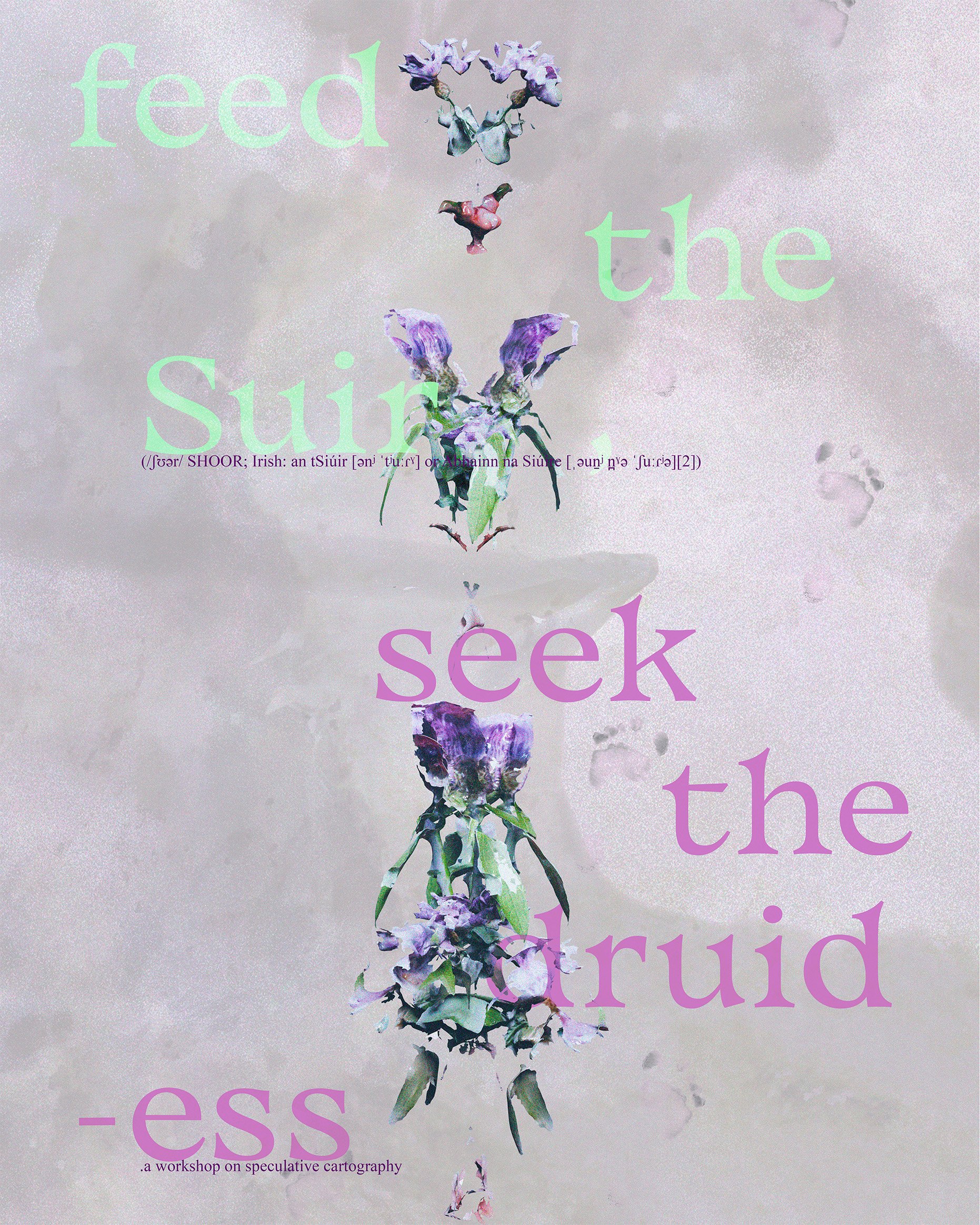
FEED THE SUIR, SEEK THE DRUID-
In the spirit of the seanchaí, our workshop invites participants to engage critically with the landscape as an archive and challenge conventional cartography through fragmented encounters, storytelling and bodily weaving. Participants will seek the role of the druid/druidess, interpreted as an animating character: one who interprets, negotiates, and attempts at communicating with the surroundings and its matters and beings.
Anchored along the Suir River - an entity we read as a radical timekeeper of the land - the workshop will move daily, conducting different readings in selected areas. Finally seeking to settle in a temporal installation, feeding a complex string figure.
The first week will focus on tracings through walking, performance, communal readings and material engagement. The second week and the outcome of the workshop will be co-created with all the participants – weaving stories, interpretations and surrounding limbs to create a joint patchy reading of an entangled landscape as the seanchaí itself.
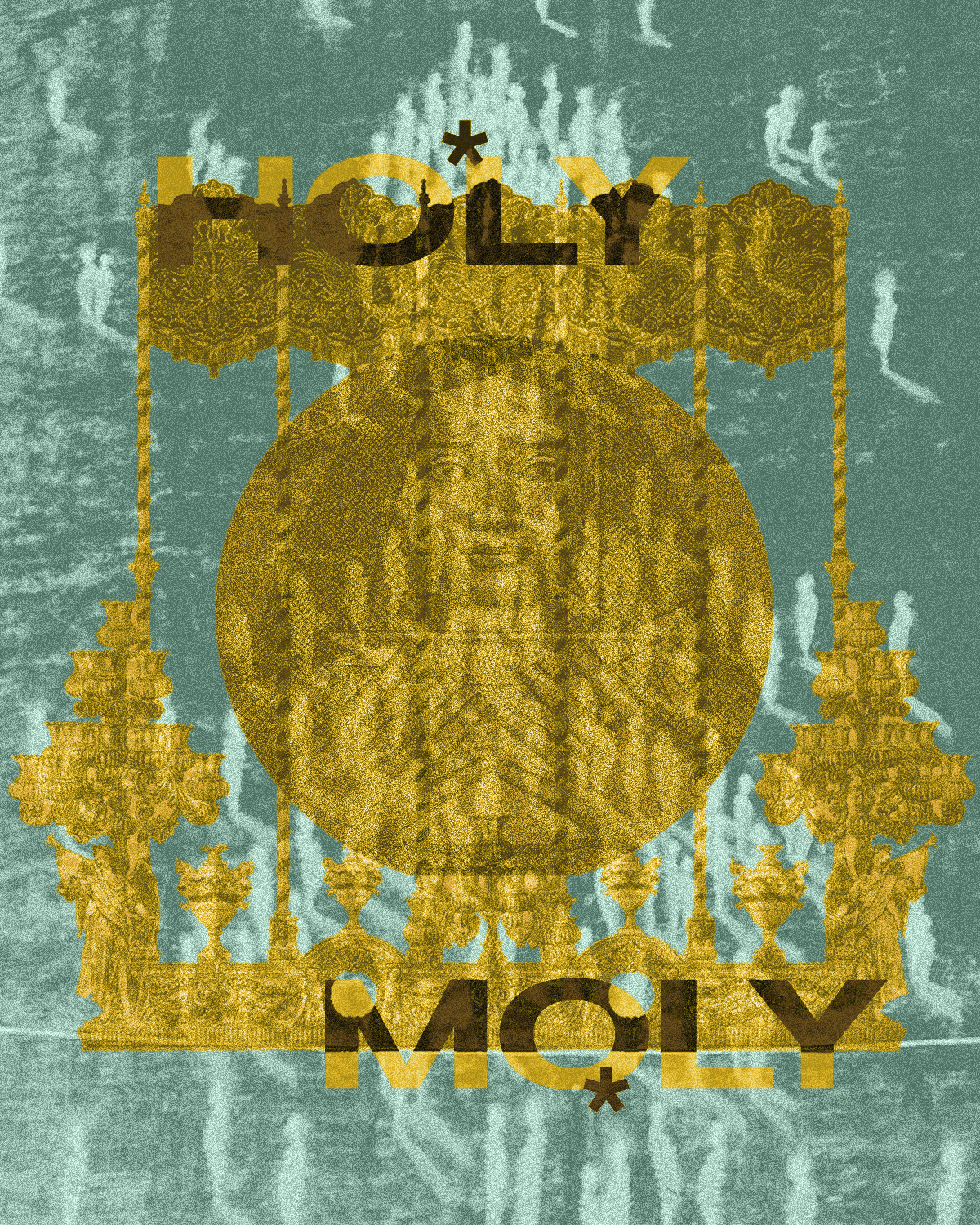
Holy Moly-
Holy Moly will be a processional float. A performative float. A deeply heartfelt one.
What are the silent legends floating around Waterford, and who represents them? Where do the foundations of the city lie? Inspired by the solemn, hand-carried platforms of ancient traditions—born from a shared devotion to a common myth—Holy Moly will search for these silent stories. Through collective effort and shared passion, we will aim to elevate them to a prominent, even sacred, position.

i love you so much i want to have FAMILECTS with you-
Lean in close and tell me what image made you think of a memory so vivid in your mind, but could not describe? How would you tell it anyway? Do you need new words for it?
Let us scalpel our way through language, and pinpoint the effervescent EASA dialect. Look into how does a new word actually appear, and then make the behemoth effort to also spread and reach the dictionary. Conjure what concepts of our reality would benefit from a new linguistic symbol. Plumpen the ideas and turn them into familects, which we then put up to truly unique feats of translation, in our city of native speakers.
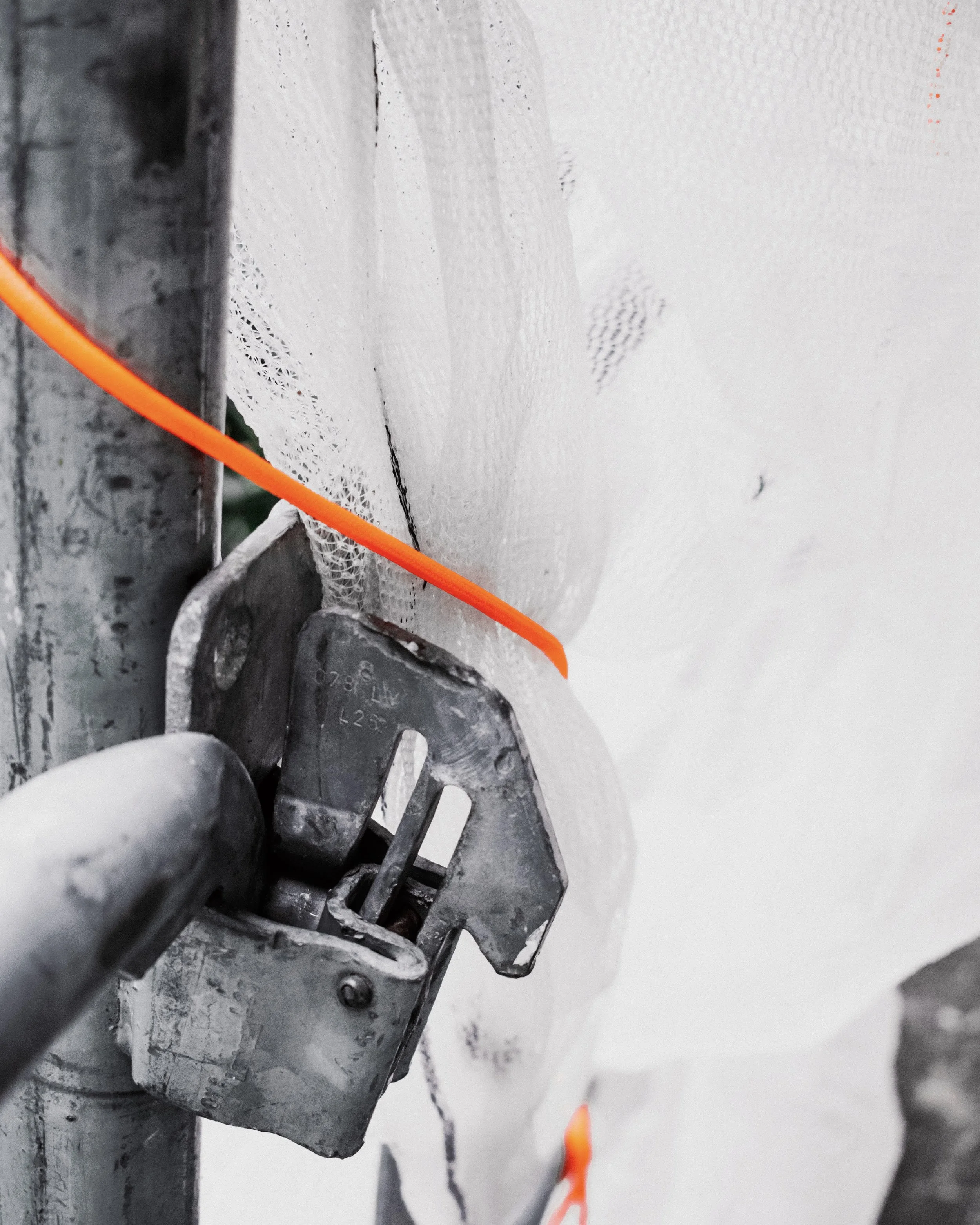
It’s just a stage-
Calling all faggots, dykes, and criminal queers (+allies)!
Building on queer and performance studies, ‘it’s just a stage’ is a playground in which we will collectively investigate how to archive fleeting moments at EASA, like that sweaty kiss on the dance floor or joke when dishwashing. We co-create a modular stage using a modular system, developing scenographic and spatial strategies through hands-on making and performative experimentation. Working in groups, participants devise performances that engage storytelling in a broad sense—from spoken word to dance or DJ sets—while testing how material, body, and space interact.
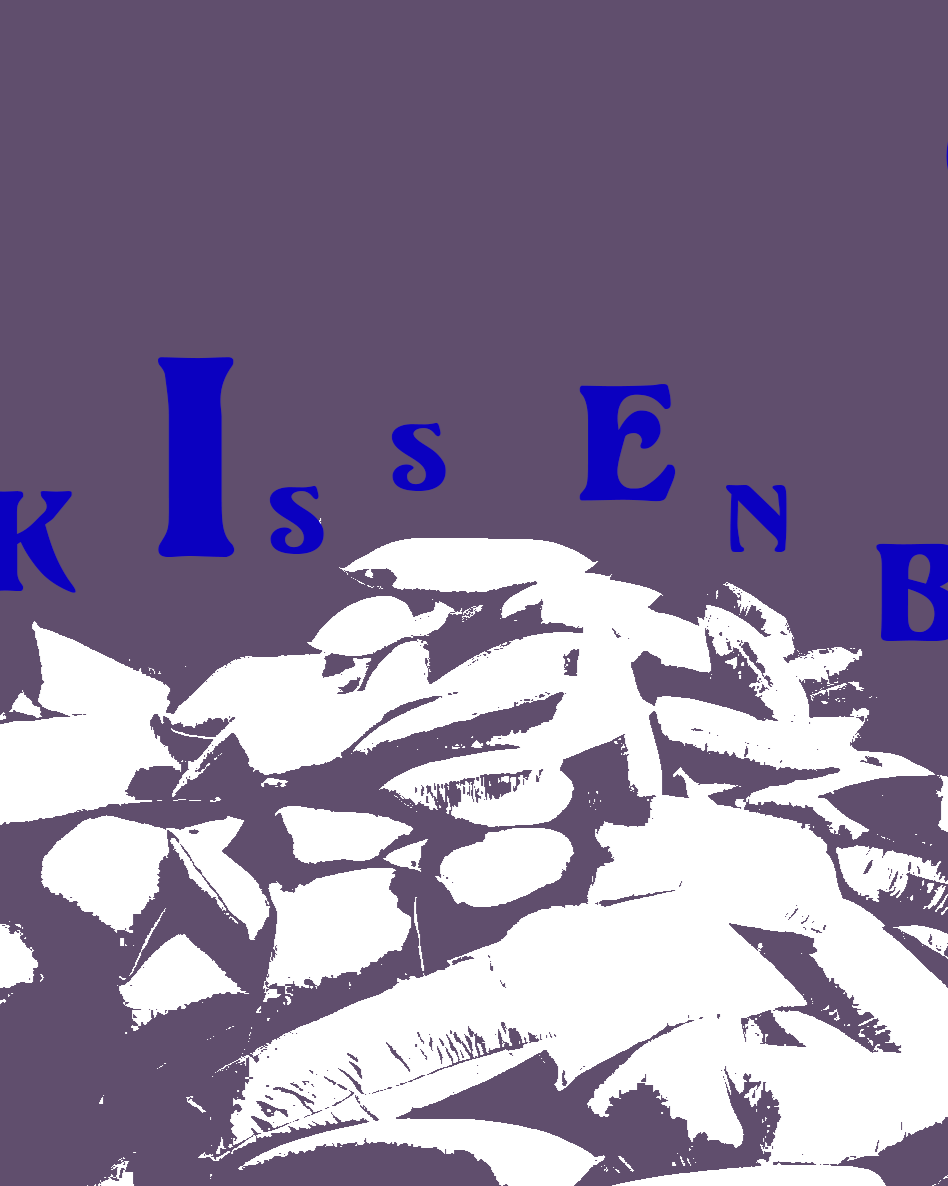
KISSENBURG-
A pillow fortress, built from blankets and chairs, is a space most of us left behind in childhood. We reclaim it here — not as regression, but as a deliberate act. To enter, you must crouch, duck, pull a blanket behind you. This physical transformation mirrors an inner one: the upright, productive posture of adult life gives way to something smaller, softer, more open.
Within the Kissenburg, participants share personal stories and fairytales — forms that encode what rational language often cannot reach: loss, transformation, homecoming. Perception shifts when the body does. What we notice, remember and pass on changes with the space we inhabit. Storytelling here is not performance. It is a method of making sense.
The Kissenburg has no fixed group. Anyone can come by — to recharge, to listen, to contribute a story, or simply to sit inside for a while. It evolves over two weeks, shaped by whoever crawls through its entrance, and by its active exchange with EASA FM and the Umbrella Workshop.
In addition to oral storytelling we will use different mediums to also illustrate, write down and archive our stories in scrapbooks, collages and through the recording of our own tales.
The Kissenburg also serves as preparation for INCM Spieglein Spieglein, where reflection becomes central. Here, it begins gently.
please holdMyths we live; Veiled, ReimaginedPickled futuresCare Laboratory Níl aon tinteán mar do thinteán féin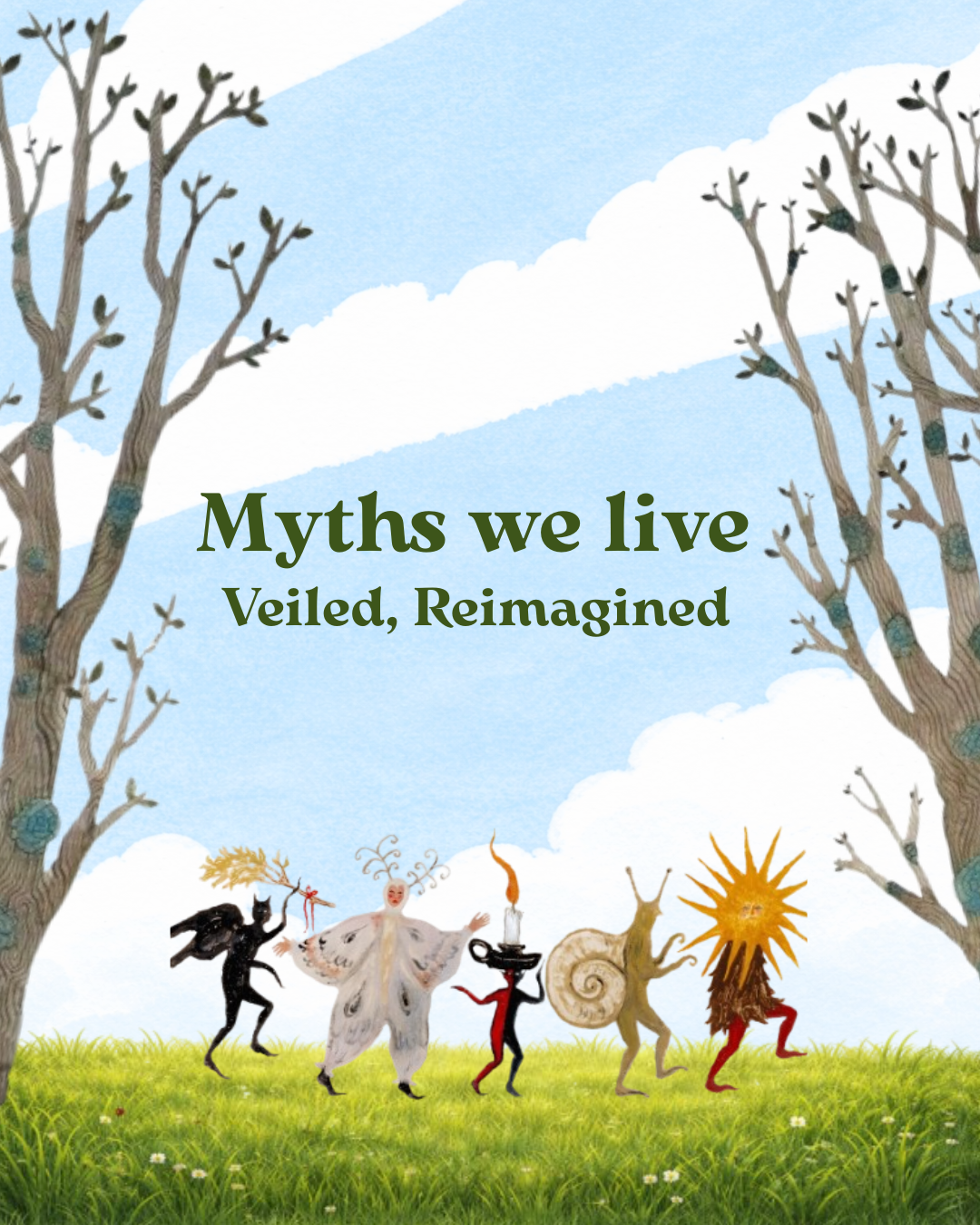
-
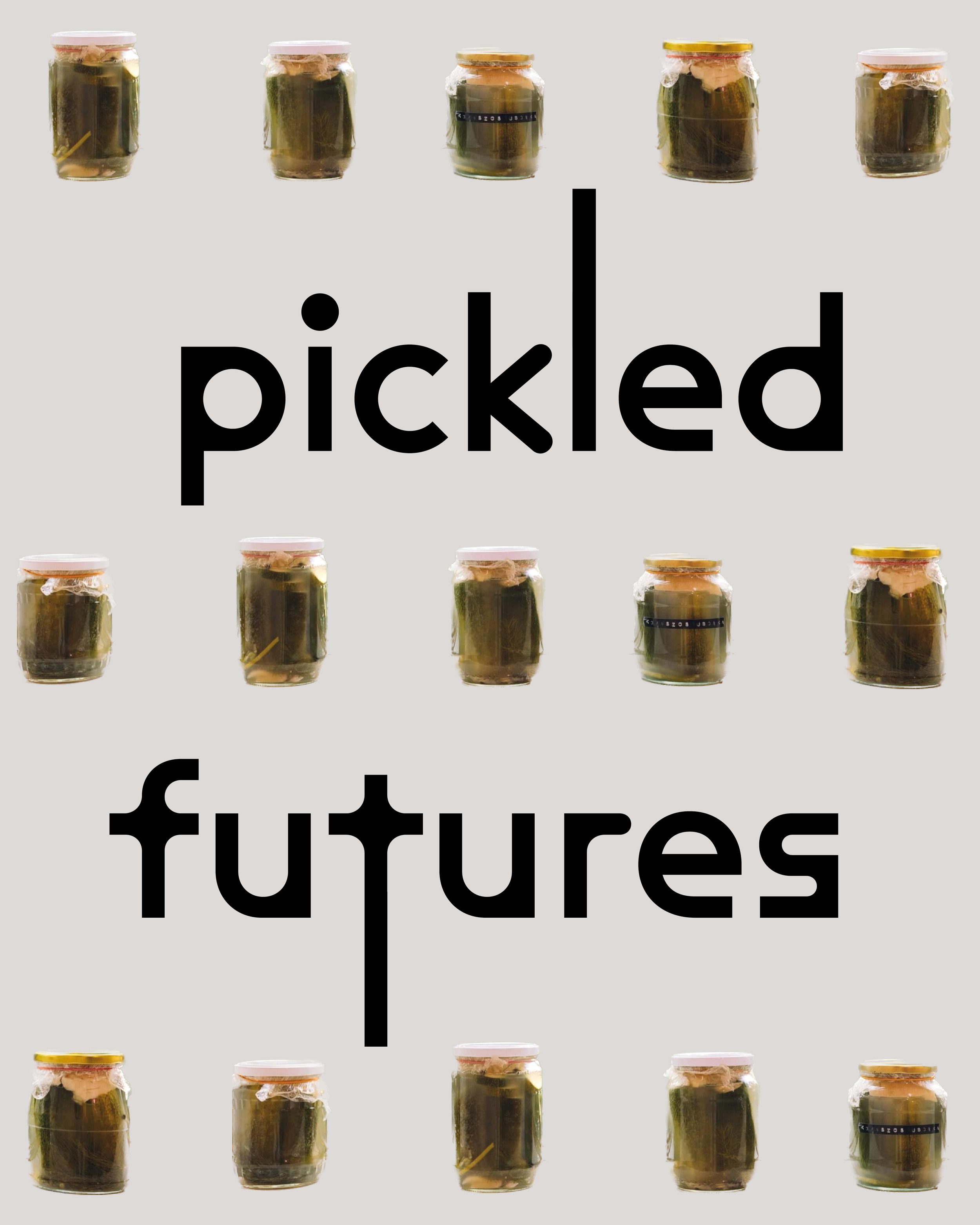
Learning from the Feast of Futures: Eastern Futurism in Art, Food, and Gathering, we add Architecture to the table. Eastern Futurism functions through reflective nostalgia, using the ruins of the past to analyze and critique the present. In these reflections, time is plural; the material reality of the present is always also a glimpse into an alternative future.
Through activities such as pickling, fermenting, loud reading, and engaging with locals, we will individually and collectively embody the role of the Seanchaí: archiving, teaching, and solidarizing—using the Summer Assembly to ferment thoughts for the winter. Additionally, to emphasize our collective gathering as architects and spatial practitioners, we will work with our hands to develop a model of the city of Salgótarján, Hungary, where the 2027 Winter School is to be held. This represents a perfect case of 'Pickled Futurism,' a term borrowed from Anna Tokareva’s manifesto.
Rembrella 26-
The workshop Myths we live; Veiled, Reimagined approaches storytelling as a living, collective practice, reinterpreting archetypal characters drawn from Irish folklore. Incomplete narratives of characters defined by their behaviours and atmospheres will be translated and interpreted by participants. Their symbolic traits will be expressed into physical masks, treating making as a process of understanding and embodiment. Guided by the spirit of the seanchaí, the workshop unfolds through intertwined acts of making, collecting, and narrating. Through building the rituals and collaborative script development, participants will construct a narrative shaped by their time in the city, engaging with its landscapes as sites of memory, transformation, and myth-making. With collaborative writing and performative exploration, these fragments evolve into a shared narrative structure resulting in a performance. Blending visual arts, storytelling, and performance, the process culminates in a collective, ritual-like performance. Masked characters inhabit and reinterpret the city through movement and storytelling.
traces of presence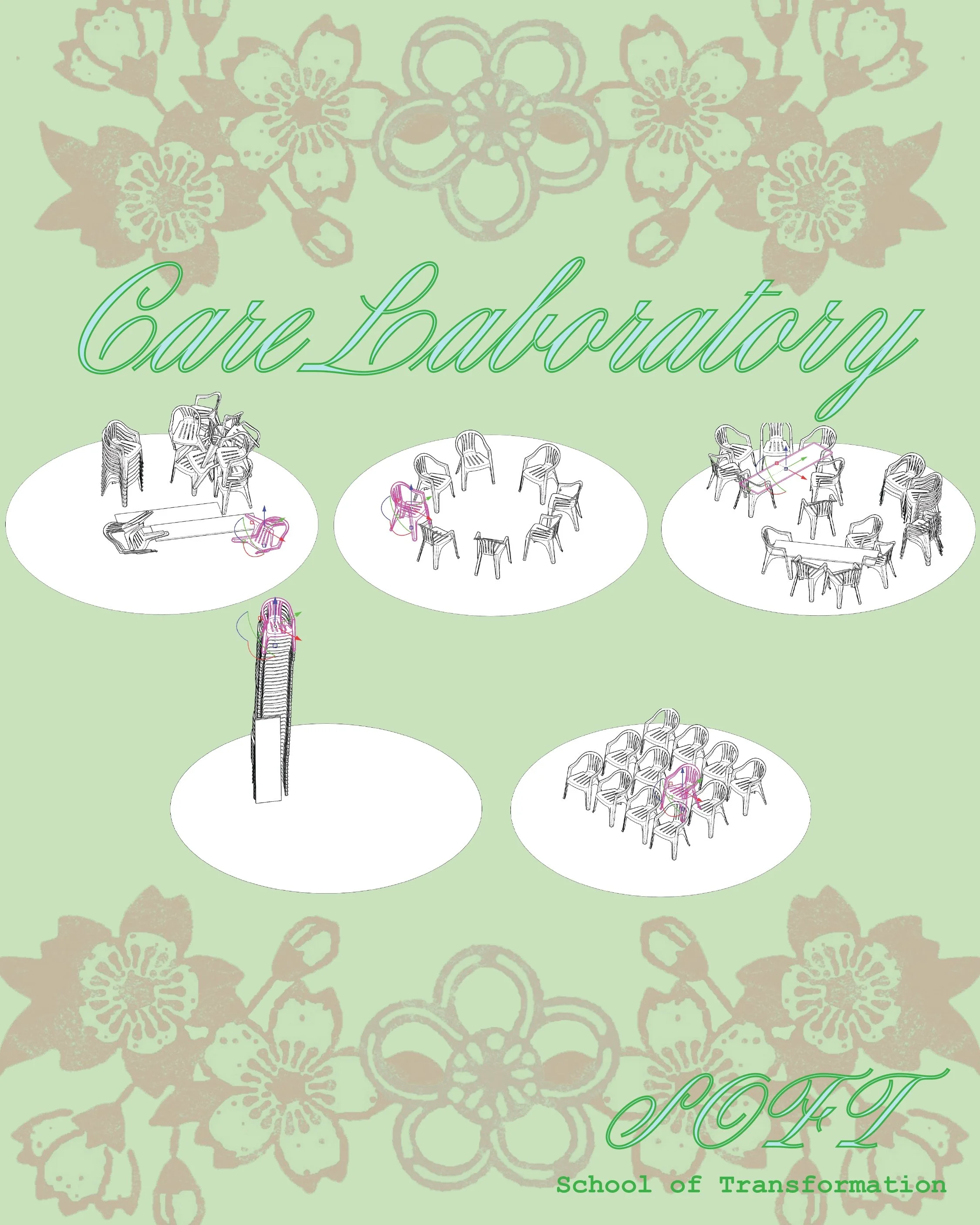
-
Why Care?
"We suggest that caring be viewed as a species activity that includes everything we do to maintain, continue and repair our world“ so that we can live in it as well as possible. That world includes our bodies, ourselves,and our environment, all of which we seek to interweave in a complex, lifesustaining web.“ -Joan C. Tronto & Bernice Fisher
Our goal for EASA 2026 is to investigate 8 facettes of care in the architectural process:
Care for Collectiveness, Communication, Inclusivity, Information, Time, Economic Trajectory, Sustainability and finally Buildings. EASA will act as an open Laboratory, gathering Information and nourishing the base of a Code of Care, through our diverse voices. We will explore care theory, eco and intersectional feminism, critical spatial theory in a playful manner and look for inspiration in Waterford, Ireland.
The reflection on a common future in architecture, sees beyond our individuality and nationality and we hope to find solidarity and communality through envisioning a better architecture practice together.
LOOMSDAYNot so Nocturnal Animals-
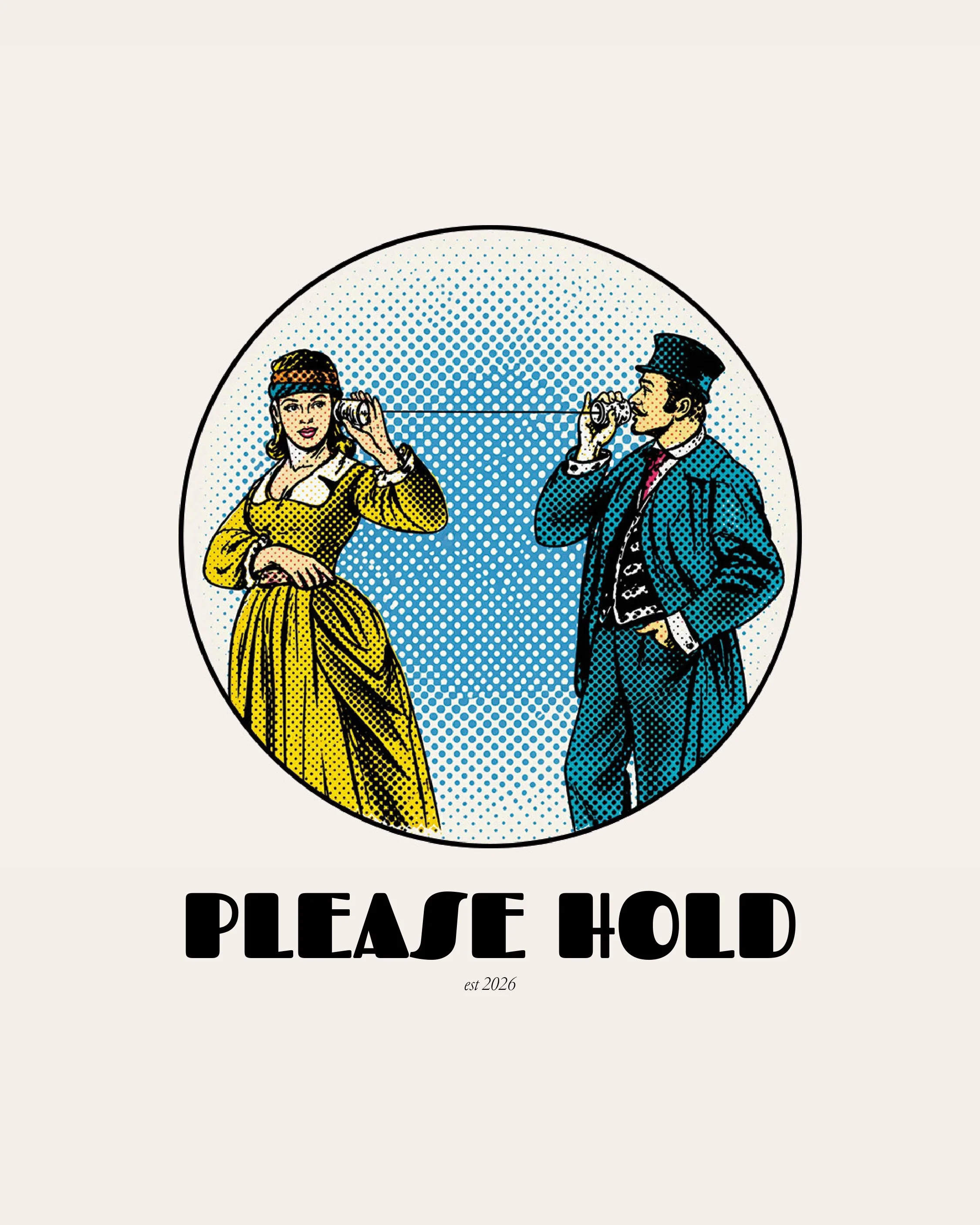
Are you tired of bad signals, lost connections, and that one person who insists, “it’s working perfectly on my end”? Could your means of communication be streamlined?
At PLEASE HOLD, we believe they can.
Our solution is simple: a piece of string stretched between two cans. No screens, no chargers, no “have you tried turning it off and on again?”—just tension, distance, and a direct line.
What begins as a primitive communication device quickly mutates into something else: a network in the making. In this workshop, sound becomes physical—stretching, glitching, refusing to behave. Participants build systems of cables and improvised transmitters where messages don’t arrive clean. They bend, fragment, and come back… different.
As connections multiply, the system expands into space—lines become structures, nodes become encounters. A collective installation emerges: open, unstable, and alive.
No signal? No problem.
…PLEASE HOLD.
THE Embassy of mythologies -
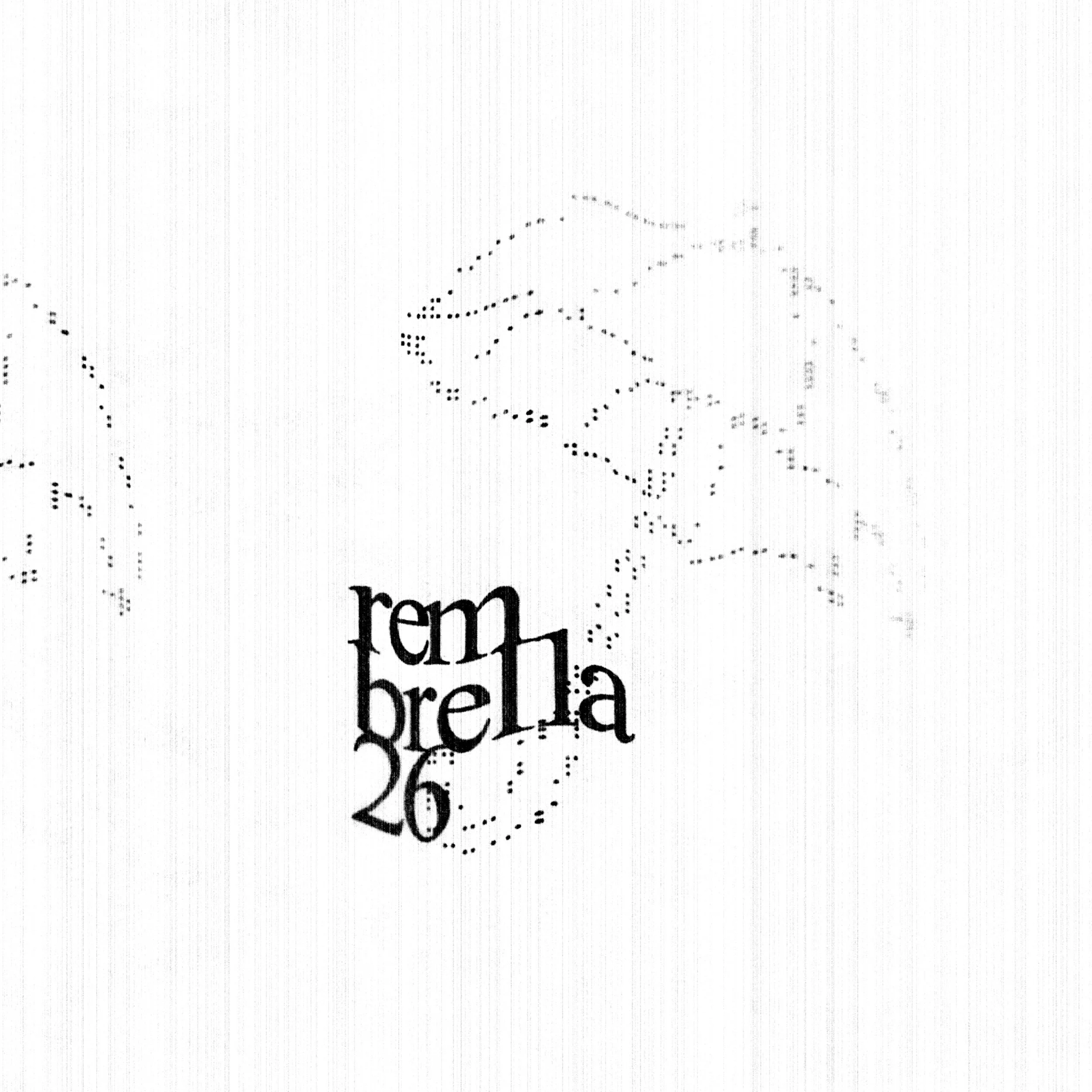
Rembrella investigates the kiosk as the heart of a community within an urban settlement. It asks how a small-scale structure can become a space for idea-making, gathering, and exchange. Can a true “third space” be created within just two weeks? What does it take to build not only a structure, but a shared atmosphere?
The workshop treats the umbrella not just as protection from weather but as a frame for conversation and collective memory. What stories does a community carry? What does a space need in order for people to actually stop, sit, and talk?
We will build a kiosk and will experiment with different formats for communication and exchange: a printed newspaper, a poetry slam, performative reading. Treating the kiosk as a platform as much as a structure. We're not here to generate ideas top-down, but to curate what emerges from the community around us: collecting stories, amplifying them, and putting them back into circulation.
Unun33-
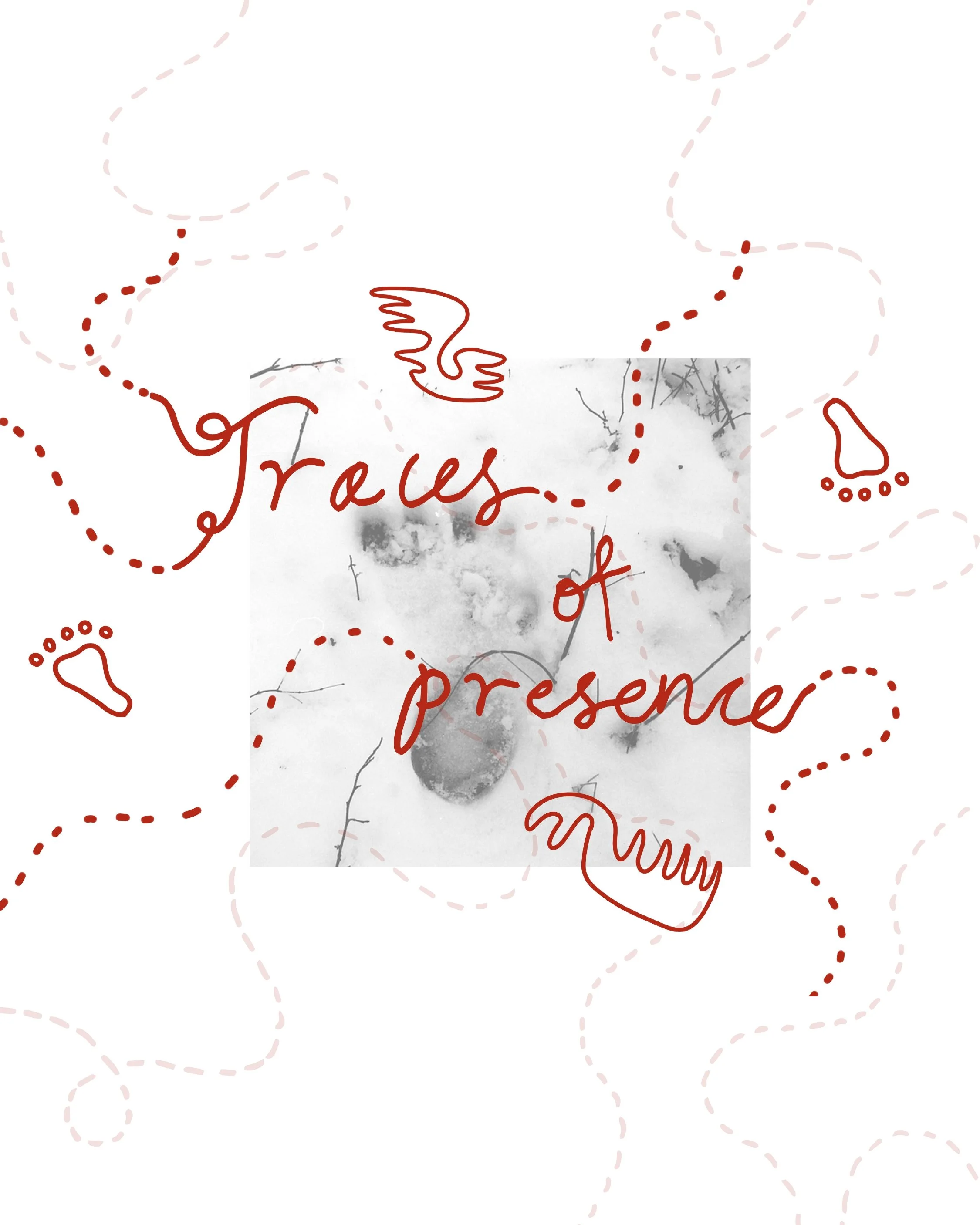
What creature could be living in Waterford unnoticed, and what traces have they left behind? An footprint where no one walked, a shadow that shouldn’t exist, or a perfect circle in a corn field. Is it a coincidence, or a pattern? We’re gathering clues and building our own urban myth through exploration, craft and photography. Together, we will gather and document the traces of presence. Come conspire with us!
-
In unun33, we are strict about not learning anything and not constructing anything. We are unbuilding as an independent deconstructive tool of transitional care for built architectural elements. We are unlearning our layered experiences as a form of criticism towards imposed and embedded narratives. We see where unbuilding and unlearning overlap to understand the relevance of deconstructive practices and prepare a foundation for constructing shared alternative mythologies.
-
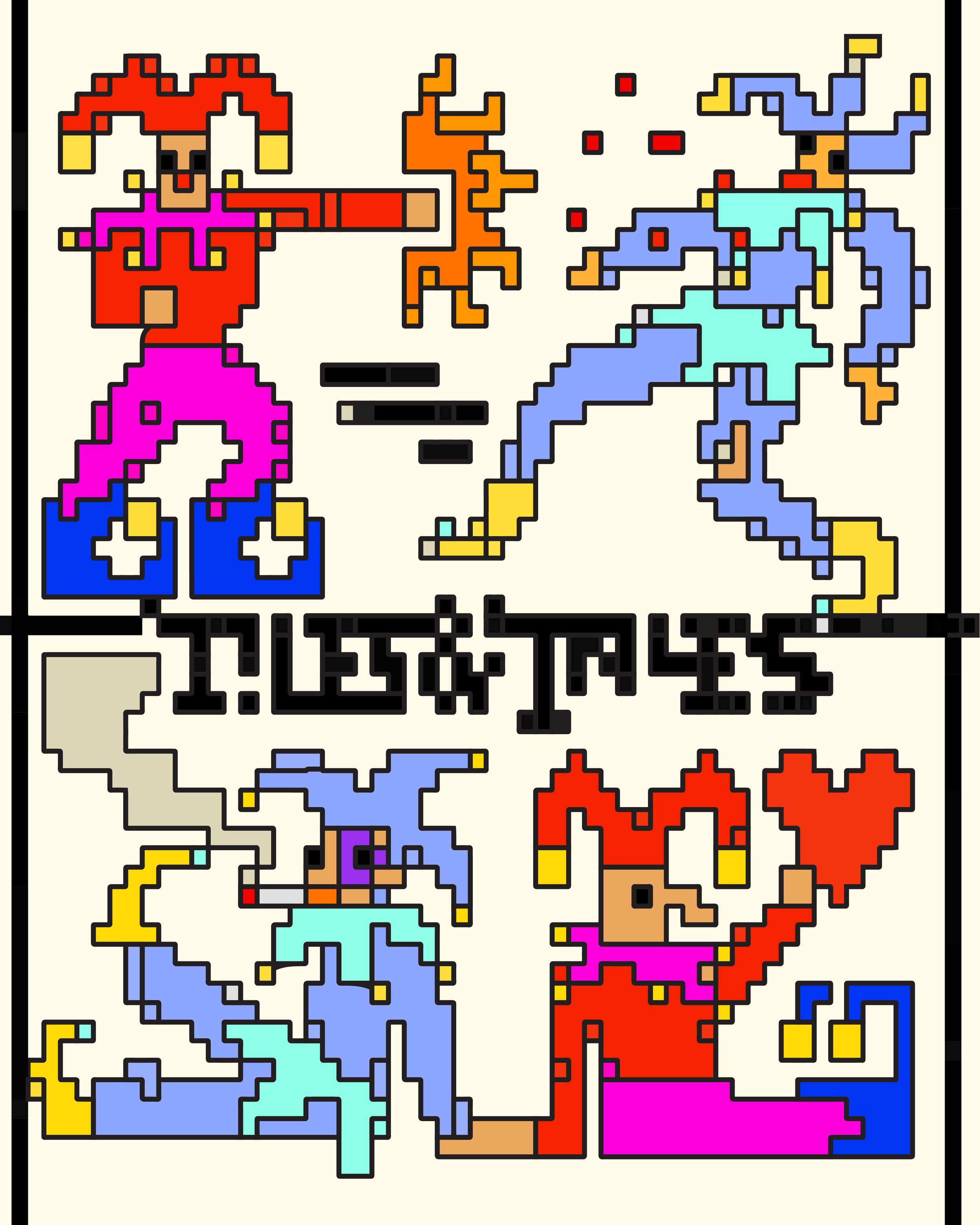
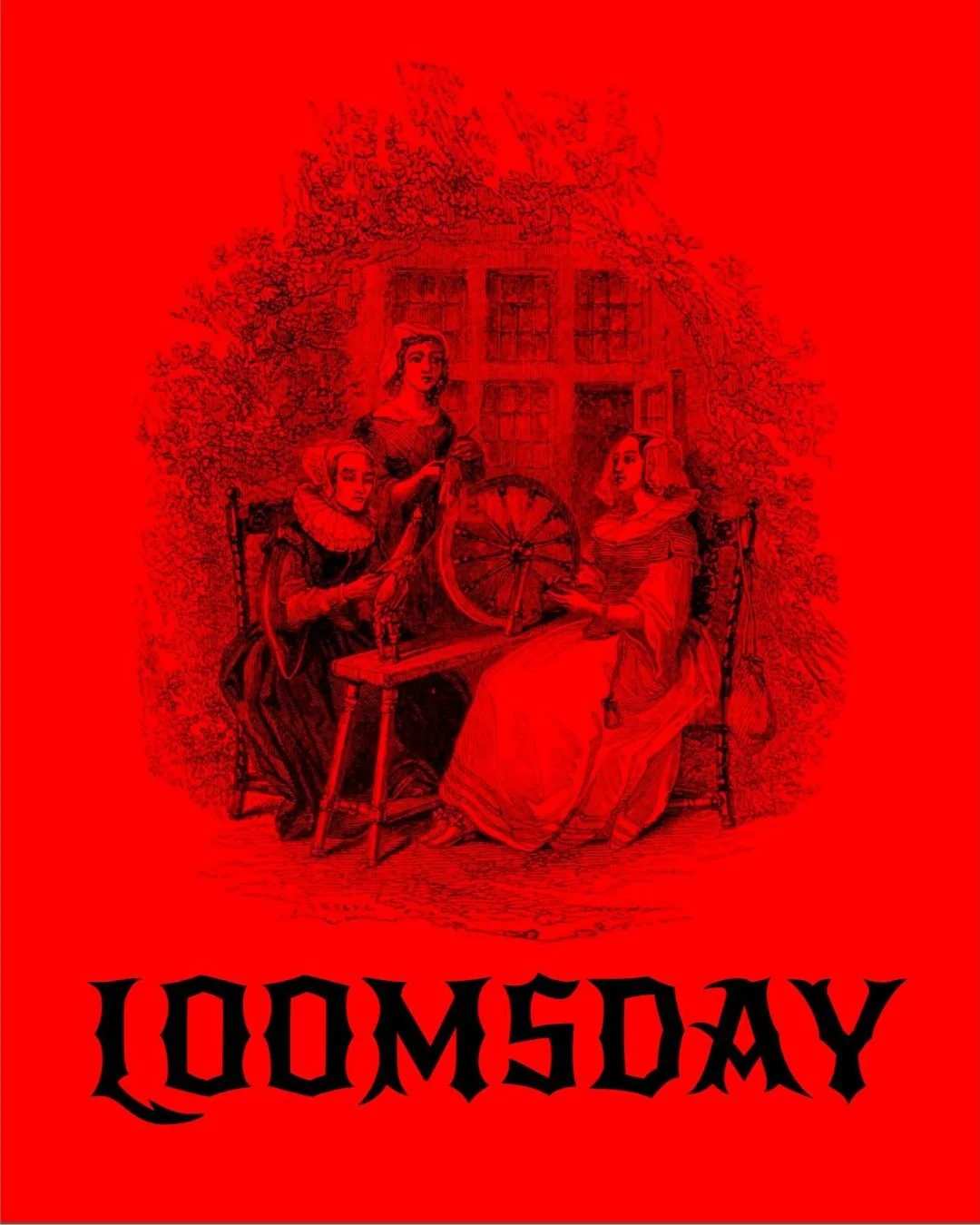
Loomsday explores the resurgence of apocalyptic thinking in contemporary society, drawing parallels with medieval perceptions of crisis and decline. Reconsidering the original meaning of “apocalypse” as revelation, it frames catastrophic events as moments that expose hidden truths and reshape collective understanding. Inspired by the history of Waterford wool trade, Loomsday proposes a participatory workshop that reimagines rug-making as a form of storytelling and spatial practice. Through collective research and hand-tufting, participants create textile narratives that engage with Irish landscapes as unstable archives shaped by extraction, care, and survival. Emphasizing slowness and materiality, the workshop positions craft as an act of cultural transmission of memory. The resulting installation forms a tactile narrative in which the revelations of crisis times offer an unexpected softness and warmth, in a way only a rug can.
MAKING SAIL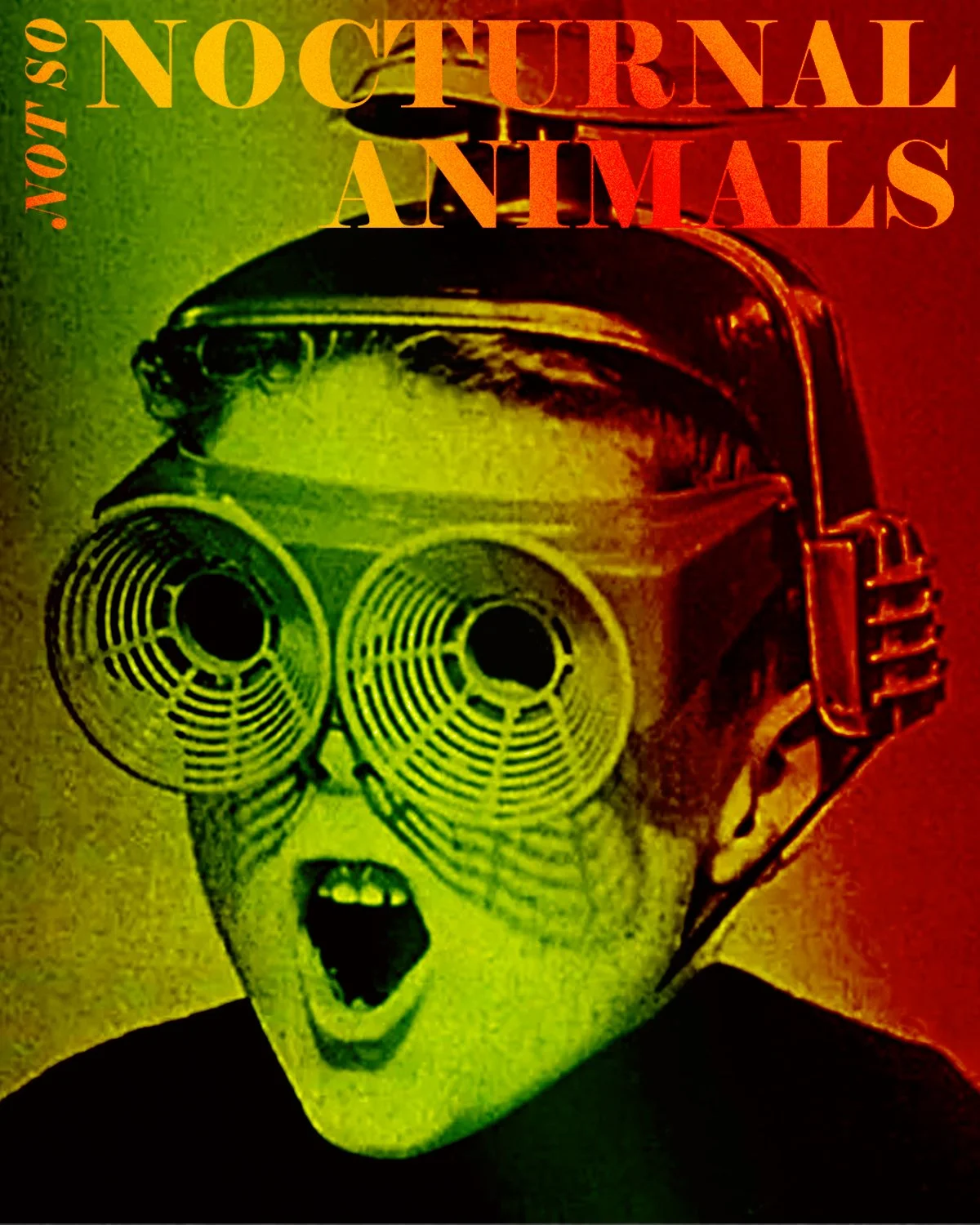
-
We are animals, whose senses have been taken away by the darkest of the nights, wandering around, tired and aimless. We seek to hear the wisdom of the ancestral stones, the advice of the elderly trees and the stories that the ancient walls want to share. But first we must create a new language to understand what we cannot see... Through the creation of a series of audiovisual artifacts, we will translate and explore the invisible realm, the vibrations and energies that surround us. Evolving into (not-so) nocturnal animals.
Persons Unknown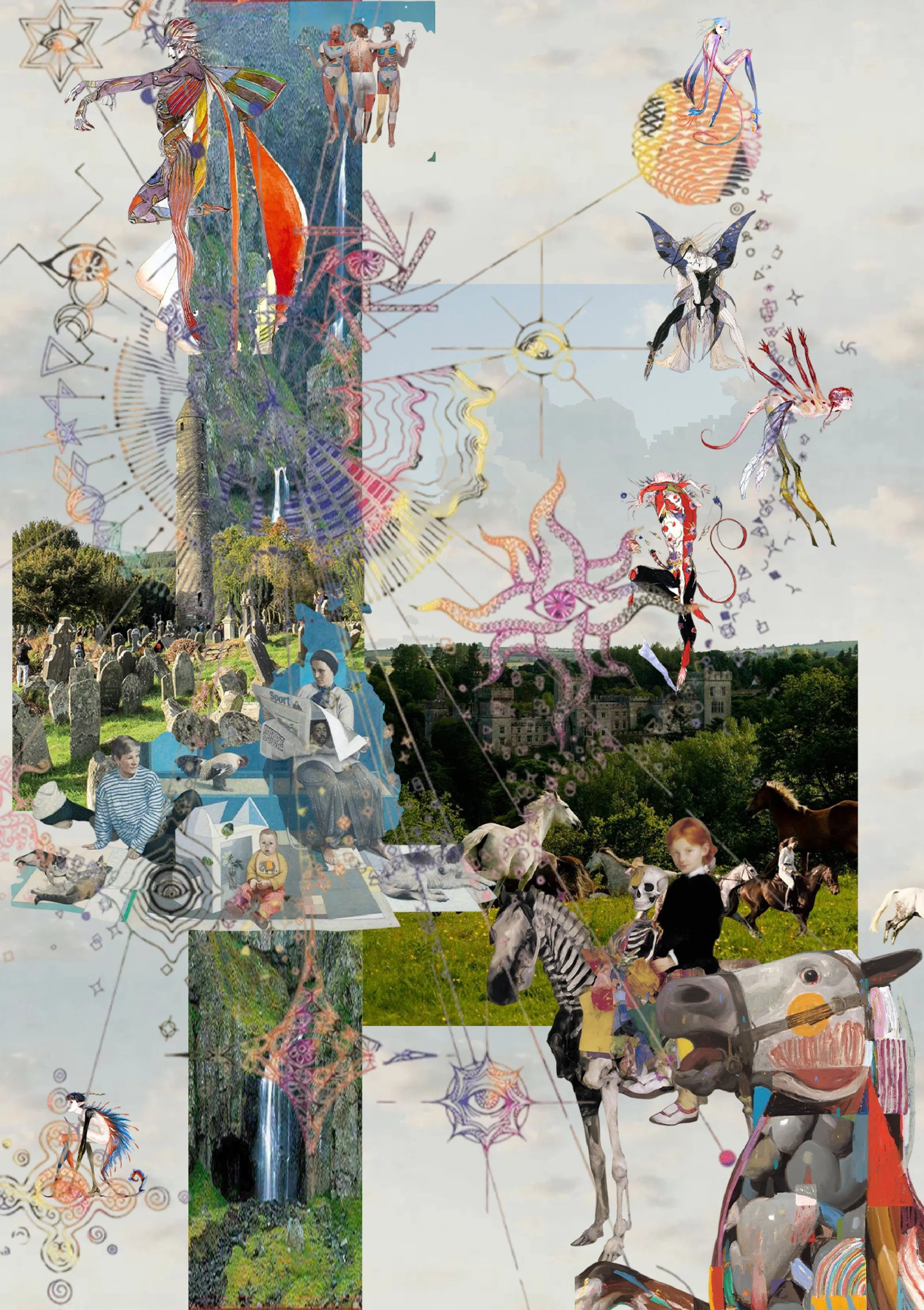
-
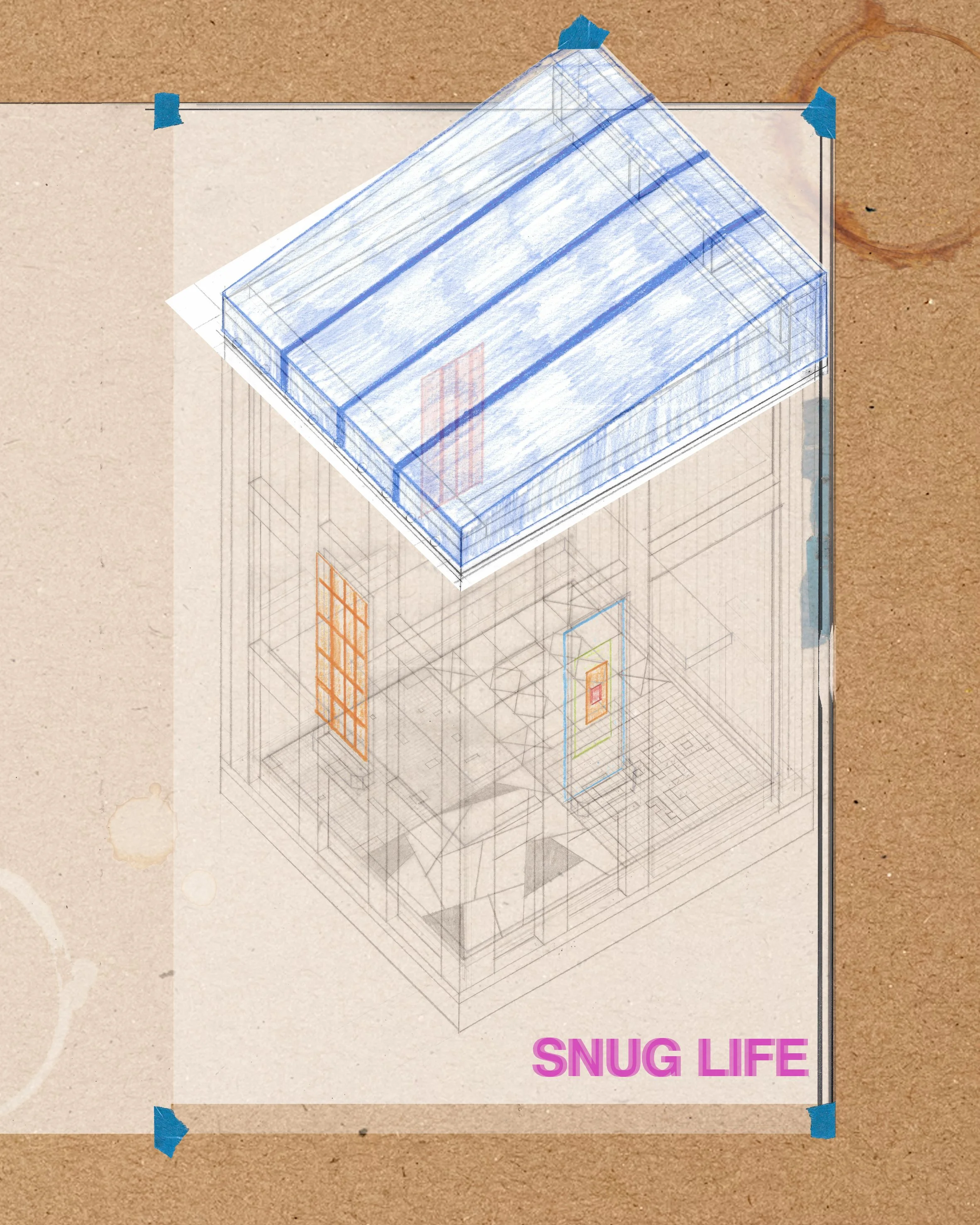
It’s a Snug Life… the fire’s roaring, the rain gently taps and rolls across the frosty windows of the pub. Nestled in our snug, we laugh and whisper and gossip - our pints, perched on their small shelves, listen intently, emerging from all sorts of hatches and windows. The snug, perfectly peripheral, forms the most intimate of social spaces, a typology through which we will explore what is arguably the most integral part of Irish culture, the pub. Join us; embark upon a pub crawl, (perhaps with a little more surveying than you’re used to), build our snug, fill it with mosaic and stained glass and whatever else we may collect along the way, for all of EASA to see… but maybe not to hear!
SNUG LIFE-
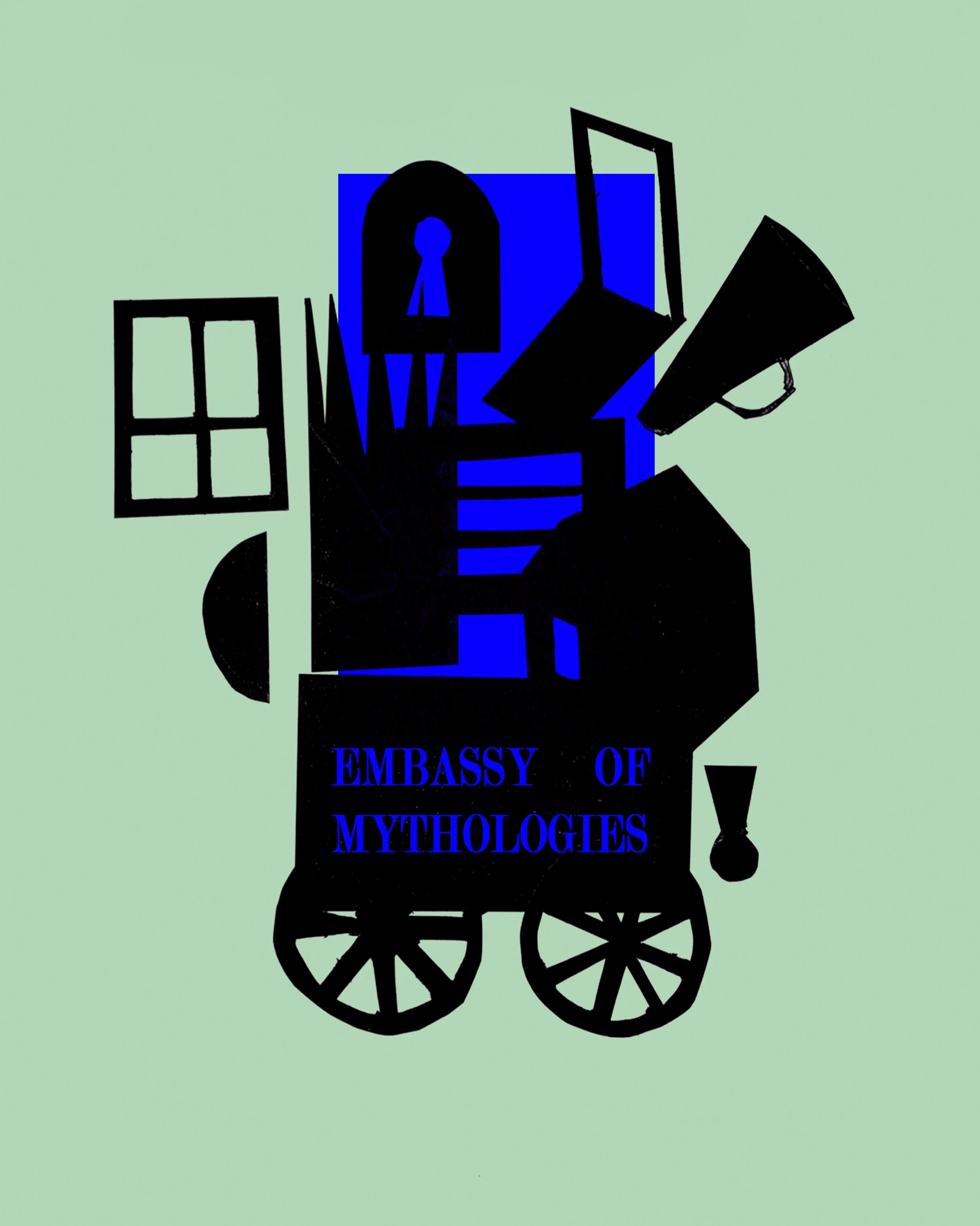
Step into a moving world of myths, memories and collective storytelling with the Embassy of Mythologies, which is a hands-on workshop where architecture becomes a narrative. We will design and build a mobile “storytelling machine,” that can carry voices, histories, and imagination into public space. We will work with drawing, writing, sound and fieldwork in Waterford, where we will gather stories from the city and transform them into a living, performative structure. The Embassy will be part archive, part stage, part spectacle and will travel into public space inviting people to share their own myths and leave a mark. The Embassy of Mythologies will blend building skills, craft skills and storytelling skills. Join us in building something temporary, chaotic and alive, where stories become architecture, and architecture becomes a storyteller.
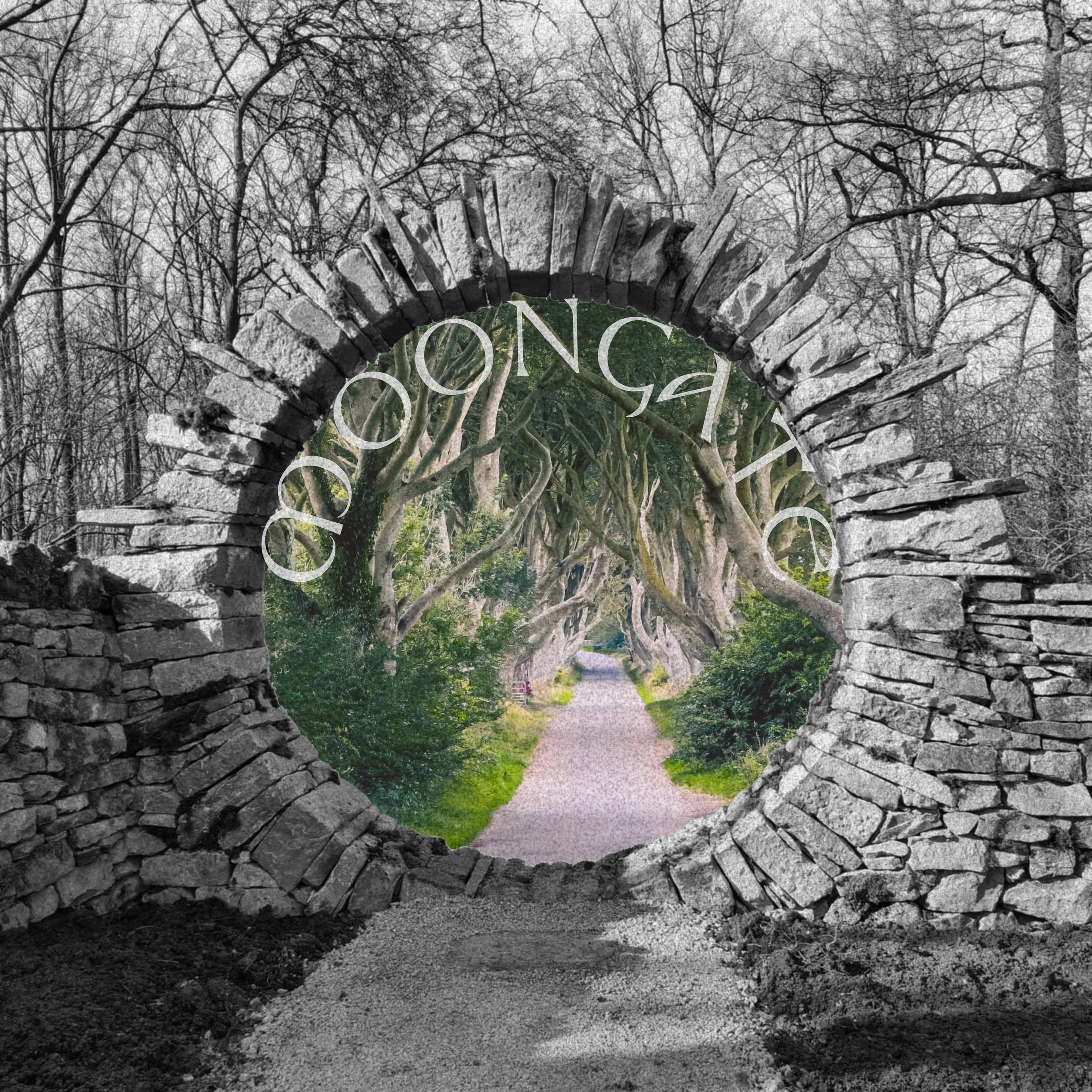
The MOONGATE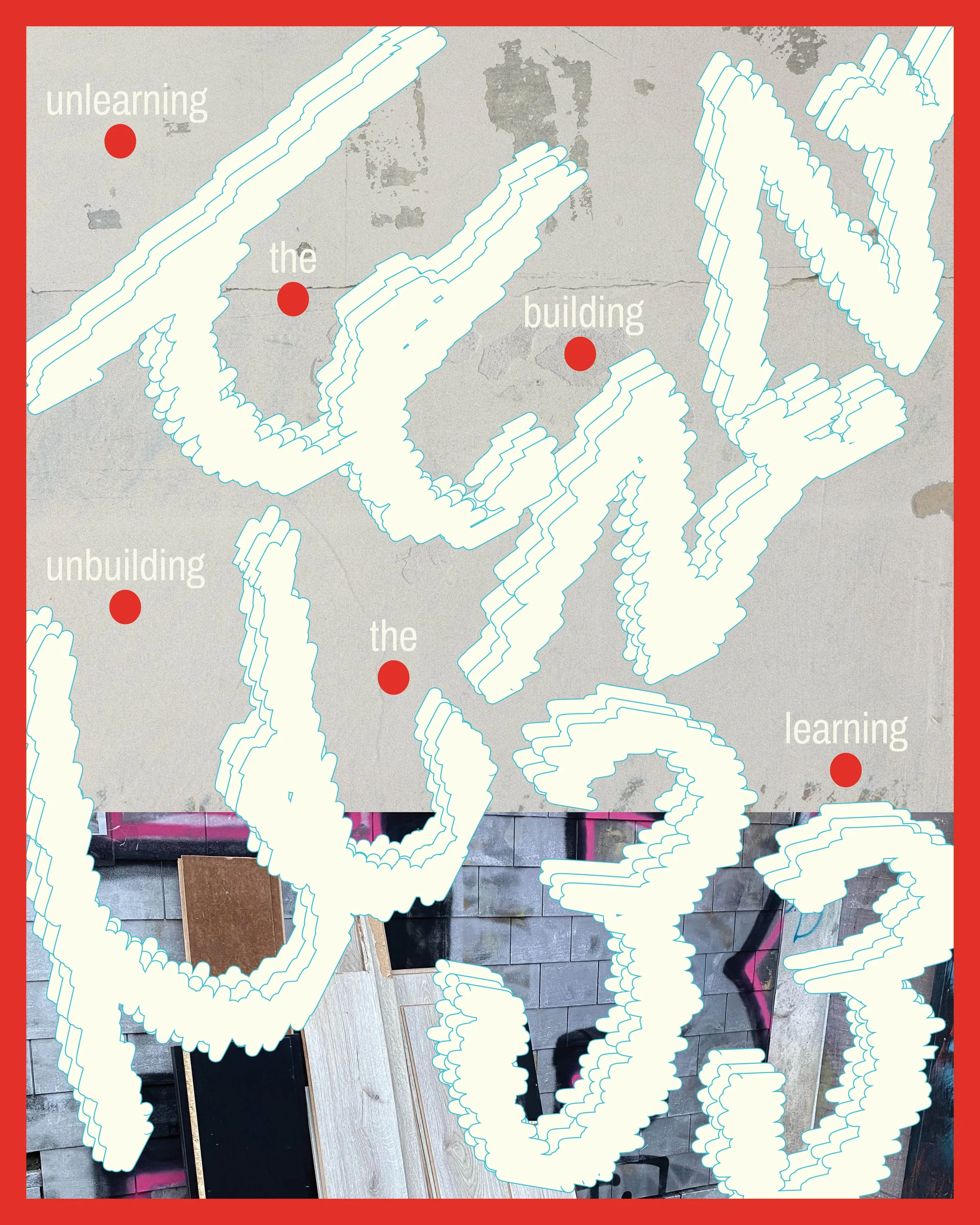
-
The Moon Gate explores the idea of Seanchaí through the traditional Irish craft of Dry Stone Walling. The Seanchaí, a traditional storyteller and vessel of memory, represents the passing of knowledge through humans. Each story told and each memory held by the Seanchaí represents a thread in the fabric of human knowledge and folklore. As the Moon Gate adds its own thread, the landscape itself becomes the Seanchaí.
Through the bricolage method of construction, dry stone walling creates a visible link between the construction and the landscape it sits in. The Moon Gate revives the importance of traditional craftsmanship in the minds of all experiencing it.
The stories and memories made in its presence place it within the story of the landscape and humans within it until the structures decay, and the materials are returned to the landscape they came from, leaving ghosts of the care and craftsmanship of a community.
Tiles & talesWHERE IS EVERYBODY?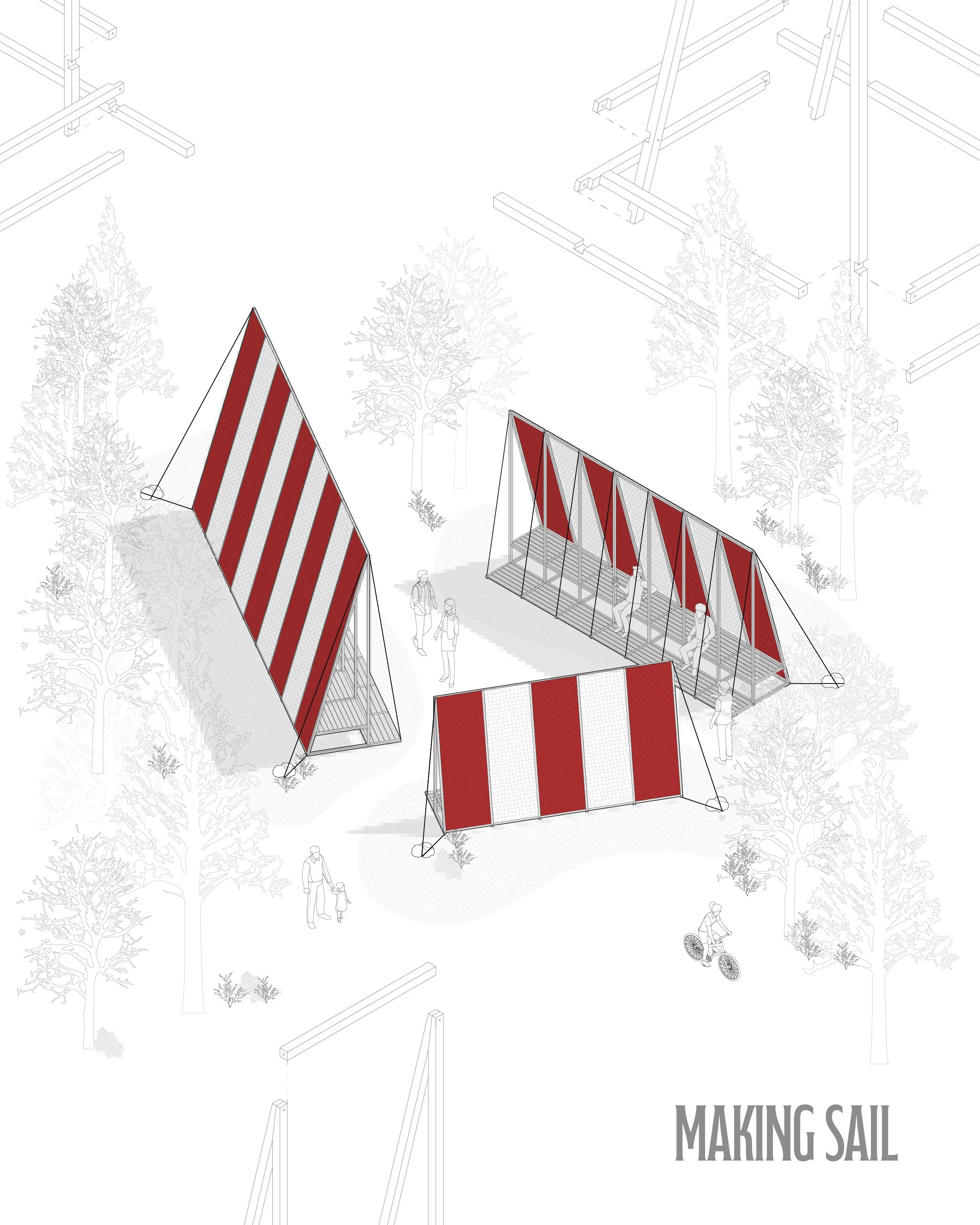
-
“Making Sail” is a hands-on construction workshop that explores how architecture can tell stories through making. Drawing from Waterford’s Viking and maritime heritage, participants will collaboratively build a temporary pavilion of timber frames and textile sails, using traditional knotting and natural dyeing techniques. Inspired by the tension and movement of ship sails, the structure forms a spatial installation that feels both grounded and in motion. Through the collective act of building, tying, and assembling, the workshop becomes a way of translating history into form, where materials and gestures carry memory, and participants take on the role of contemporary storytellers within the spirit of the seanchaí.
-
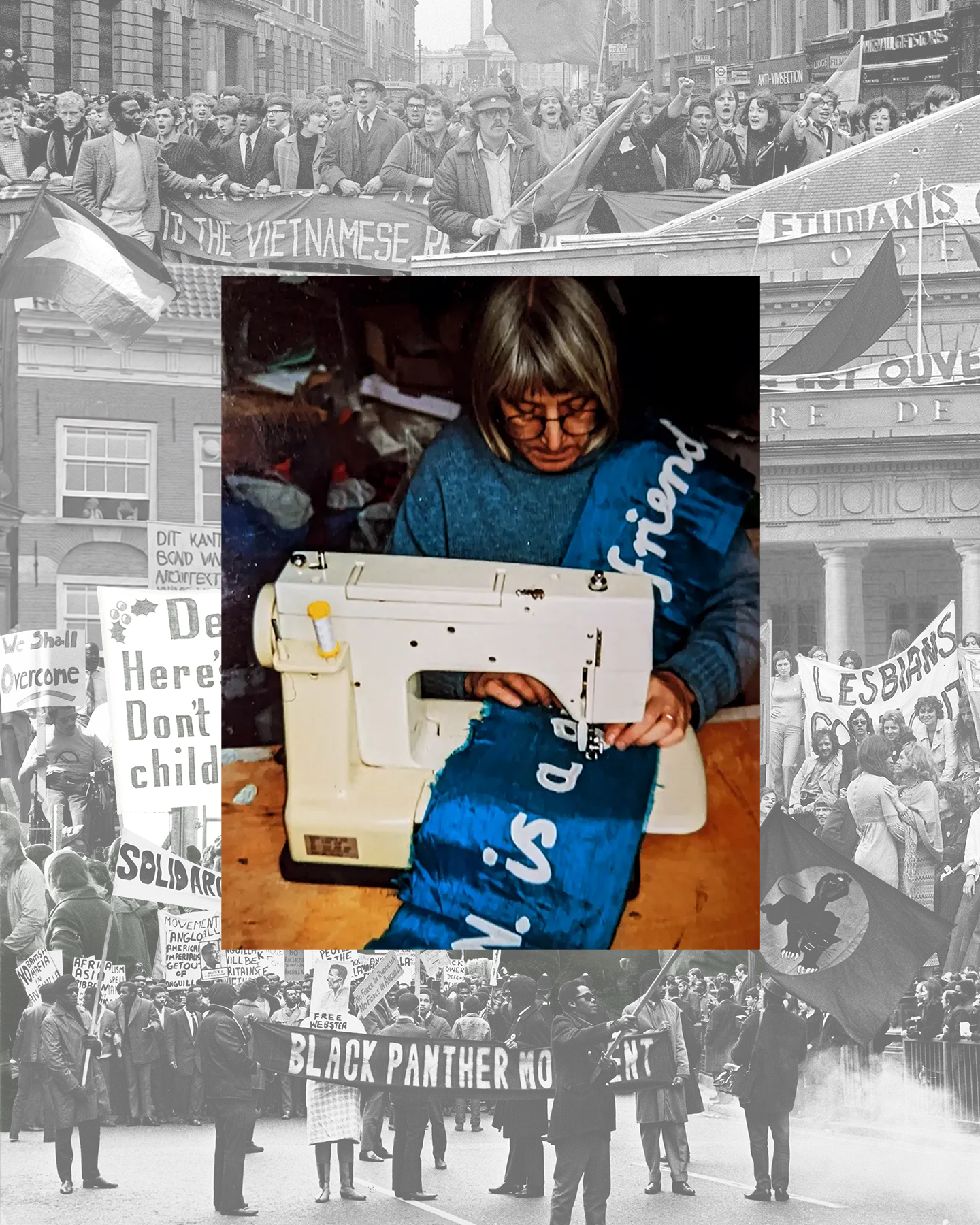
Within many social movements, the written record is predominately hesitant, self-censored, and authorless. Persons Unknown, a legal term for anonymous defendants in court, is often used against activists and demonstrates an invisibility in written records. Parallels can be made to the Seanchaí, as a custodian of Gaelic oral history and culture in resistance to British colonisation.
Whilst memory is a fragile depository, its intangibility conceals resistance to courts of law and state suppression. So, how can oral histories be preserved and shared?
We propose to use visual methods of communication to build solidarity and consciousness. Producing badges and banners, our workshop aims to use graphics and textiles to communicate the oral histories of participants, sharing their experiences or aspirations within activism, and equip them with the skills and materials to express their personal or larger social oral histories, with the rich visual legacies of protest and direct action as precedent.
Workshops are at the heart of EASA: spaces for collective exploration, making, and learning over two weeks. Led by tutors from diverse creative fields, they focus on open-ended processes rather than fixed outcomes, encouraging curiosity, experimentation, and shared inquiry.
Responding to the theme Seanchaí and the context of Waterford, participants engage with the city through observation, conversation, and hands-on work. Learning is horizontal, knowledge is shared, and everyone contributes their skills and perspectives.
Workshops value process as much as results, with space for reflection and change. Care, collaboration, consent, and respect shape how they unfold, alongside an awareness of time, energy, and wellbeing.
They are part of a wider environment that includes talks, excursions, and shared daily life, extending learning beyond the workspace.
-
Join us to transform Waterford into a canvas for a city-wide comic strip. We’ll explore the city, gather local lore, and design a serialized narrative to be "written" in stone and tile. Using low-cost, salvaged bathroom ceramic tiles, we will create a series of mosaic frames placed in strategic locations, creating a physical trail that invites the viewer to follow a story by taking a walk through the city streets.
-
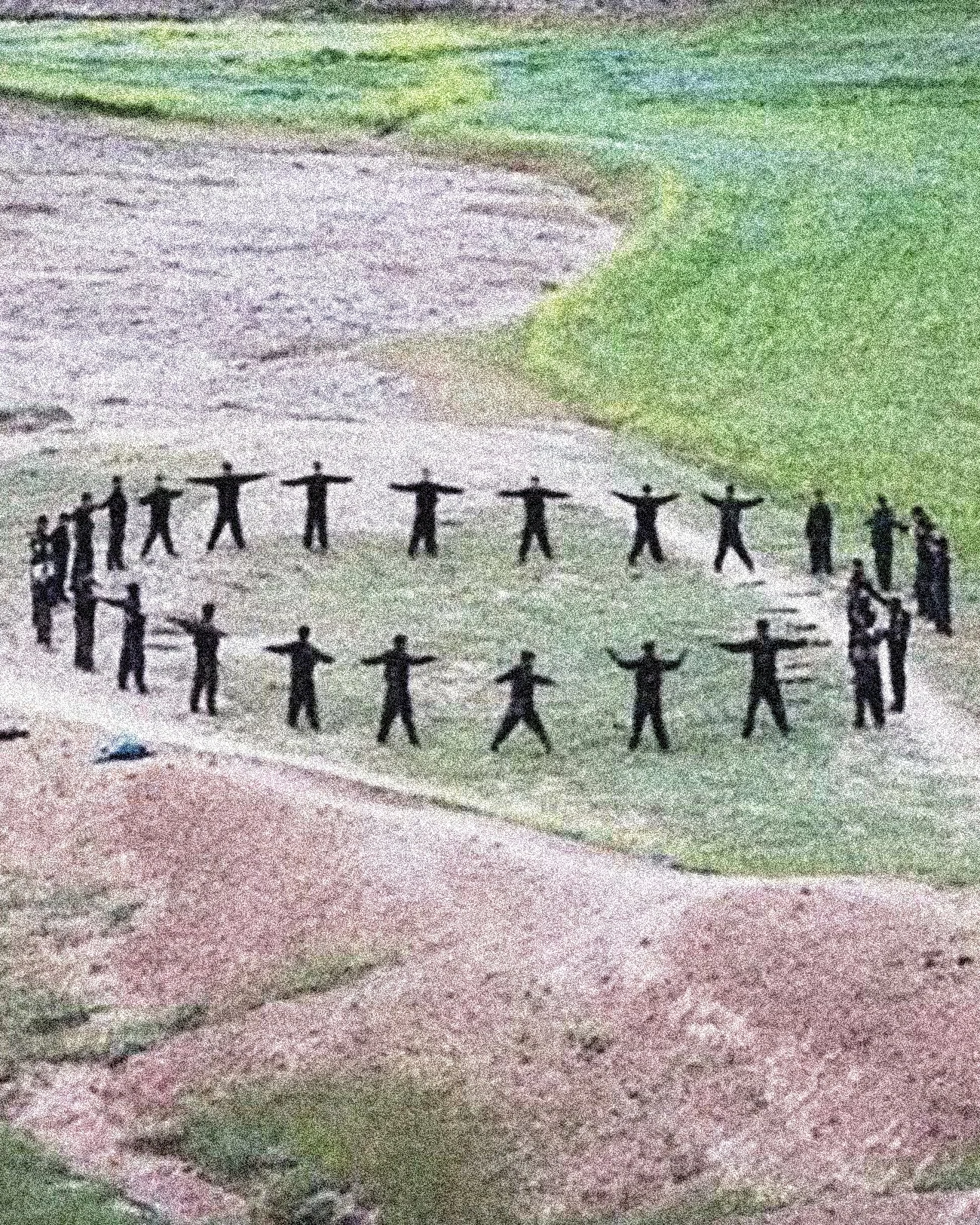
Where is EveryBody? explores how the body can become a collective, spatially active object. Through uniformity and anonymity, participants reduce individual expression, forming one coherent, non-hierarchical body that moves, pauses, and reacts in space. The workshop unfolds through a daily protocol: putting on uniforms, entering public and semi-public sites, observing, pausing, dispersing, and forming temporary spatial configurations.
The Body does not represent architecture - it operates it, creating mass, edge, threshold, and obstruction, shaping space without an actual construction. Encounters with passersby reveal how spatial norms are constructed and disrupted. Reflection, discussion, and documentation run alongside the actions, producing not objects but temporal spatial conditions and collective perception.
Over ten days, participants experience the tension between individual and collective, presence and disappearance, permanence and temporality. The ultimate question remains: where is EveryBody?